
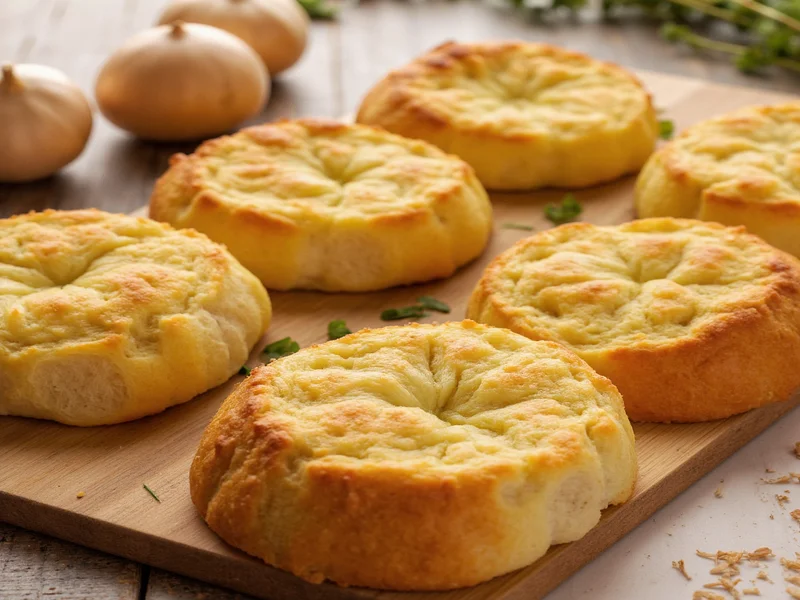
Why Homemade Garlic Bread Beats Store-Bought Every Time
Creating your own garlic bread isn't just about saving money—it's about controlling quality and customization. Unlike pre-packaged versions loaded with preservatives, homemade garlic bread delivers fresher flavors, customizable textures, and the satisfaction of crafting something delicious from scratch. The aroma alone makes your kitchen feel like a five-star restaurant.
Essential Ingredients Guide
Not all ingredients work equally well for DIY garlic bread. Here's what you need to know:
Bread Selection Matters Most
- French baguette - Crispy exterior with soft interior (best traditional choice)
- Ciabatta - Holds more butter without becoming soggy
- Italian loaf - Larger surface area for family portions
- Avoid - Pre-sliced sandwich bread (too soft, burns easily)
Garlic Preparation Methods Compared
| Method | Flavor Profile | Best For |
|---|---|---|
| Raw minced | Sharp, pungent | Immediate serving |
| Roasted cloves | Sweet, mellow | Dinner parties |
| Garlic powder | Mild, consistent | Beginners |
Step-by-Step Preparation Guide
Follow these professional techniques for perfect garlic bread every time:
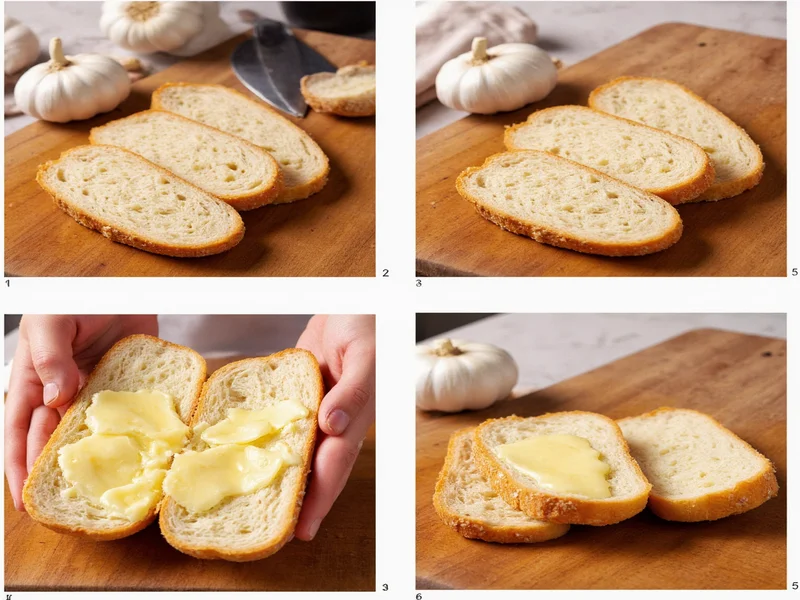
- Prepare your bread - Slice horizontally without cutting all the way through, creating a 'hinge' for even butter distribution
- Make garlic butter - Combine softened butter with minced garlic, chopped parsley, and a pinch of salt (4:1 garlic-to-butter ratio)
- Infuse properly - Spread mixture between slices, then wrap tightly in foil for 10 minutes to let flavors meld
- Cook correctly - Bake at 375°F (190°C) for 15-20 minutes until golden and crisp
Cooking Methods Compared
Different cooking techniques yield dramatically different results:
Oven Method (Traditional)
Temperature: 375°F (190°C)
Time: 15-20 minutes
Best for: Crispy exterior with soft interior
Pro tip: Add cheese during the last 5 minutes for perfect melt
Air Fryer Option (Quick)
Temperature: 350°F (175°C)
Time: 8-10 minutes
Best for: Small batches, weeknight dinners
Pro tip: Spray lightly with oil for extra crispness
Pro Tips for Perfect Results
- Avoid soggy bread - Always use room-temperature butter, not melted
- Flavor boost - Add 1/4 teaspoon of onion powder to enhance garlic notes
- Crispy edges - Unwrap during the last 3 minutes of baking
- Make ahead - Prepare garlic butter up to 3 days in advance
Creative Variations to Try
Once you've mastered the basic technique, experiment with these popular twists:
Cheesy Garlic Bread
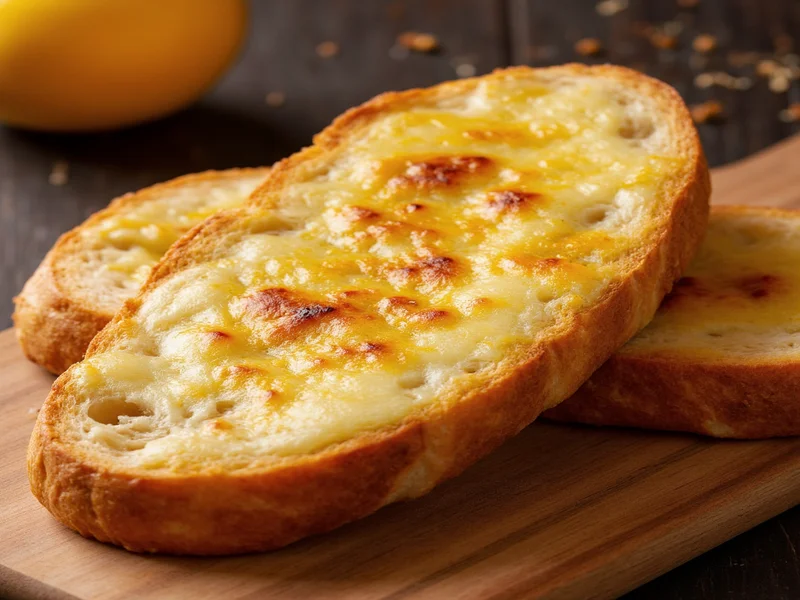
Mix 1/2 cup shredded mozzarella with your garlic butter. Sprinkle additional cheese on top during the last 5 minutes of baking for that perfect stretchy pull.
Herb-Infused Version
Combine equal parts parsley, basil, and oregano with your garlic mixture. Ideal for pairing with Italian pasta dishes.
Vegan Alternative
Substitute butter with vegan margarine and add 1 teaspoon nutritional yeast for cheesy flavor without dairy.

Common Mistakes to Avoid
Even simple recipes can go wrong. Steer clear of these pitfalls:
- Using too much garlic - Results in bitter, overpowering flavor (stick to 4 cloves per loaf)
- Wrong bread selection - Soft sandwich bread becomes mushy rather than crispy
- Overbuttering - Causes sogginess; use just enough to coat each slice lightly
- Incorrect cooking time - Undercooked bread lacks crispness, overcooked burns quickly
Serving Suggestions
Elevate your garlic bread from side dish to star attraction:
- Pair with tomato-based pasta dishes for balanced flavor
- Cut into small pieces for elegant appetizers
- Top with fresh basil and balsamic glaze for gourmet presentation
- Use as sandwich base for paninis
Frequently Asked Questions
How do I prevent garlic bread from getting soggy?
Use room-temperature butter instead of melted, don't overapply the mixture, and always wrap in foil during initial baking. Unwrap for the final 3-5 minutes to achieve maximum crispness without drying out the interior.
What's the best way to store leftover garlic bread?
Cool completely, then store in an airtight container at room temperature for up to 2 days. For longer storage, freeze slices individually wrapped in foil, then place in freezer bags. Reheat directly from frozen in a 350°F oven for 8-10 minutes.
Can I make garlic bread without an oven?
Yes! Use a skillet on medium-low heat with a lid to create steam. Cook 3-4 minutes per side until golden and crisp. Alternatively, an air fryer works well at 350°F for 8-10 minutes. Both methods produce excellent results when oven isn't available.
How many cloves of garlic should I use for perfect flavor?
The ideal ratio is 4 medium cloves of fresh garlic per 1/2 cup of butter for a standard loaf. This provides robust flavor without bitterness. For milder taste, reduce to 2-3 cloves. Roasting the garlic first creates a sweeter profile that allows using up to 6 cloves safely.





 浙公网安备
33010002000092号
浙公网安备
33010002000092号 浙B2-20120091-4