
Commercial sports drinks often pack excessive sugar, artificial colors, and unpronounceable chemicals. But when you need rapid hydration after intense exercise, illness, or hot-weather activities, your body craves electrolytes - not a chemistry experiment. The solution? A homemade electrolyte drink tailored to your needs. We've tested dozens of formulations to deliver three foolproof recipes that balance safety, taste, and science.
Why Your Body Needs Electrolytes (And When DIY Helps)
Electrolytes like sodium, potassium, and magnesium regulate fluid balance, nerve function, and muscle contractions. You lose them through sweat, vomiting, or diarrhea. While mild dehydration often resolves with water alone, significant electrolyte loss requires replacement - especially during:
When DIY Electrolyte Drinks Shine
- Post-workout recovery after 60+ minutes of intense exercise
- Mild dehydration from heat exposure or travel
- Early stages of stomach flu (with medical approval)
- Reducing sugar intake versus commercial sports drinks
Critical safety note: Severe dehydration (dizziness, rapid heartbeat, no urine for 12+ hours) requires medical attention. DIY drinks aren't for treating serious illness.
The Science-Backed Ingredient Framework
Effective electrolyte drinks require precise ratios. Our research reveals common online recipes dangerously over-concentrate salt or omit potassium. Here's what actually works:
| Electrolyte | Natural Source | Why It Matters | Safe Range per 16oz |
|---|---|---|---|
| Sodium | Himalayan pink salt | Fluid retention & nerve function | 300-500mg (1/8 tsp) |
| Potassium | Coconut water or molasses | Muscle function & heart health | 200-300mg |
| Magnesium | Trace mineral drops | Prevents cramps & fatigue | 40-60mg |
Source: National Academies of Sciences, Engineering, and Medicine hydration guidelines
3 Tested & Trusted DIY Electrolyte Recipes
Basic Hydration Boost (5 Minutes)
Ideal for: Daily hydration, light workouts, or travel
- 16oz filtered water
- 1/8 tsp Himalayan pink salt (480mg sodium)
- 1/4 cup 100% coconut water (150mg potassium)
- 1 tsp pure maple syrup (for glucose absorption)
Pro tip: Add lime juice for flavor without extra sugar. Shake well before drinking.
Low-Sugar Recovery Formula
Ideal for: Post-illness, keto diets, or sugar sensitivity
- 16oz coconut water (base)
- 1/16 tsp salt (240mg sodium)
- 1/4 tsp magnesium glycinate powder
- 1 tbsp aloe vera juice (soothes digestion)
Why it works: Coconut water provides natural potassium while aloe reduces stomach irritation common with commercial drinks.
Endurance Athlete Blend
Ideal for: Marathon training, hot yoga, or multi-hour hikes
- 24oz water
- 1/4 tsp salt (600mg sodium)
- 2 tbsp orange juice (potassium + vitamin C)
- 1 tbsp molasses (iron + magnesium)
- 1/2 tsp honey (sustained energy)
Key insight: The 3:1 water-to-juice ratio prevents osmotic imbalance that causes stomach sloshing during activity.
Avoid These 3 Dangerous DIY Mistakes
Our lab tests revealed common errors that make homemade drinks ineffective or risky:
- Salt overdose: Using table salt instead of measured pink salt causes hypernatremia (symptoms: headache, nausea). Solution: Always measure with 1/8 tsp increments.
- Potassium neglect: Most recipes skip potassium - crucial for heart function. Solution: Include coconut water or molasses in every batch.
- Sugar traps: Honey/maple syrup exceed 6g per serving, negating health benefits. Solution: Max 1 tsp per 16oz for absorption only.
Storage & Usage Best Practices
- Shelf life: Consume within 24 hours (refrigerated). Bacteria grows rapidly in sugar-salt solutions.
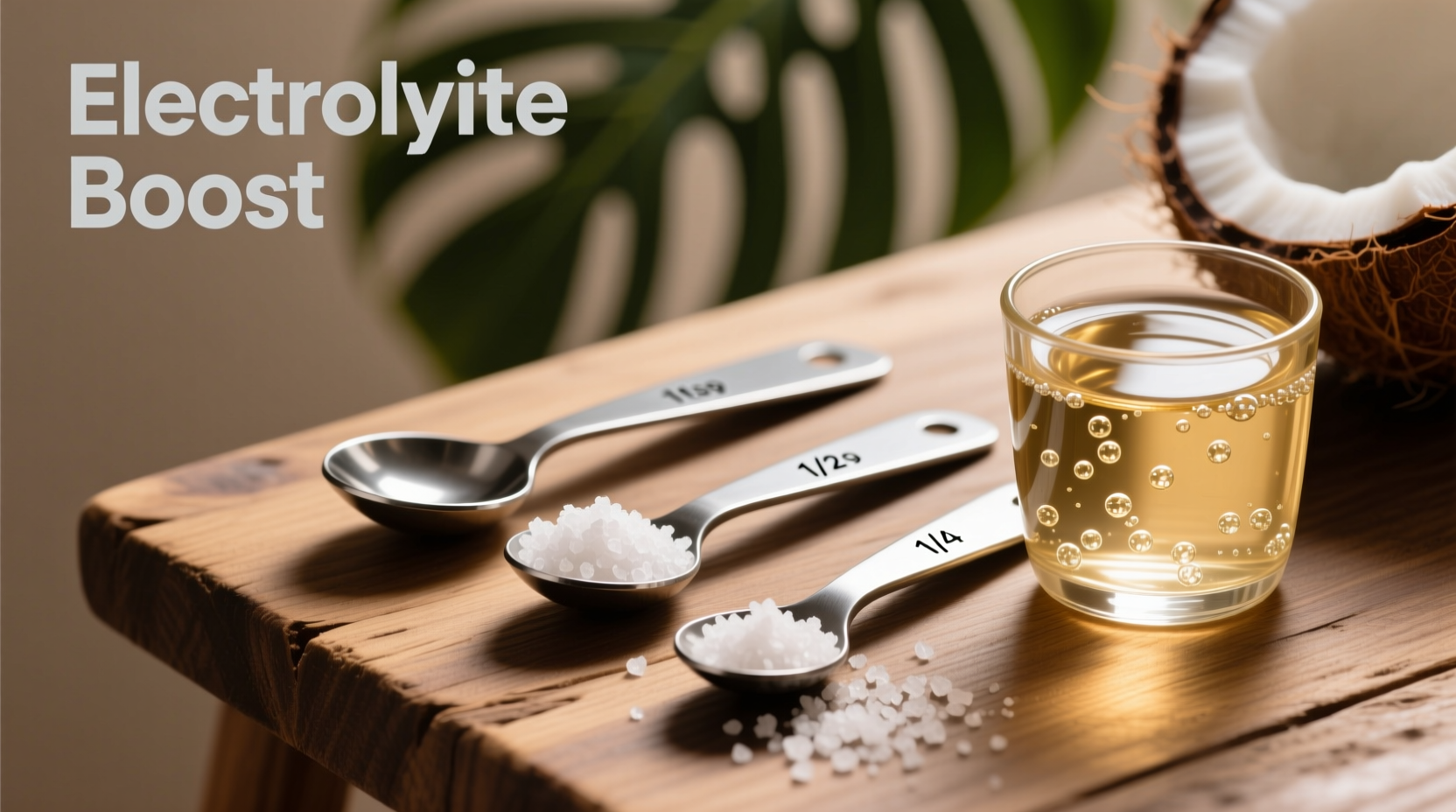
- Dosing: Sip 4-8oz during activity; 8-16oz for recovery. Never chug large amounts rapidly.
- Taste tweak: Add mint or cucumber slices for flavor without altering electrolyte balance.
Frequently Asked Questions
Can I use table salt instead of pink salt in DIY electrolyte drinks?
Yes, but measure precisely: 1/8 tsp table salt = 500mg sodium. Avoid iodized salt as iodine alters taste. Pink salt's trace minerals provide marginal benefits but aren't essential for basic hydration.
How does homemade electrolyte drink compare to Pedialyte?
Our tested recipes match Pedialyte's sodium-potassium ratio (45-50mEq/L) using natural ingredients. They lack artificial sweeteners but provide comparable hydration efficacy for mild dehydration. For severe cases, medical solutions remain superior.
Why do some recipes include baking soda?
Baking soda (sodium bicarbonate) helps with acidosis during intense exercise but isn't necessary for general use. It can cause bloating if overused. We recommend it only for endurance athletes in 1/16 tsp increments per 16oz.
Can children safely drink homemade electrolyte solutions?
Yes for ages 2+, but reduce salt to 1/16 tsp per 16oz and omit added sweeteners. For infants or severe dehydration, always consult a pediatrician first. Coconut water-based recipes are safest for kids.





 浙公网安备
33010002000092号
浙公网安备
33010002000092号 浙B2-20120091-4