
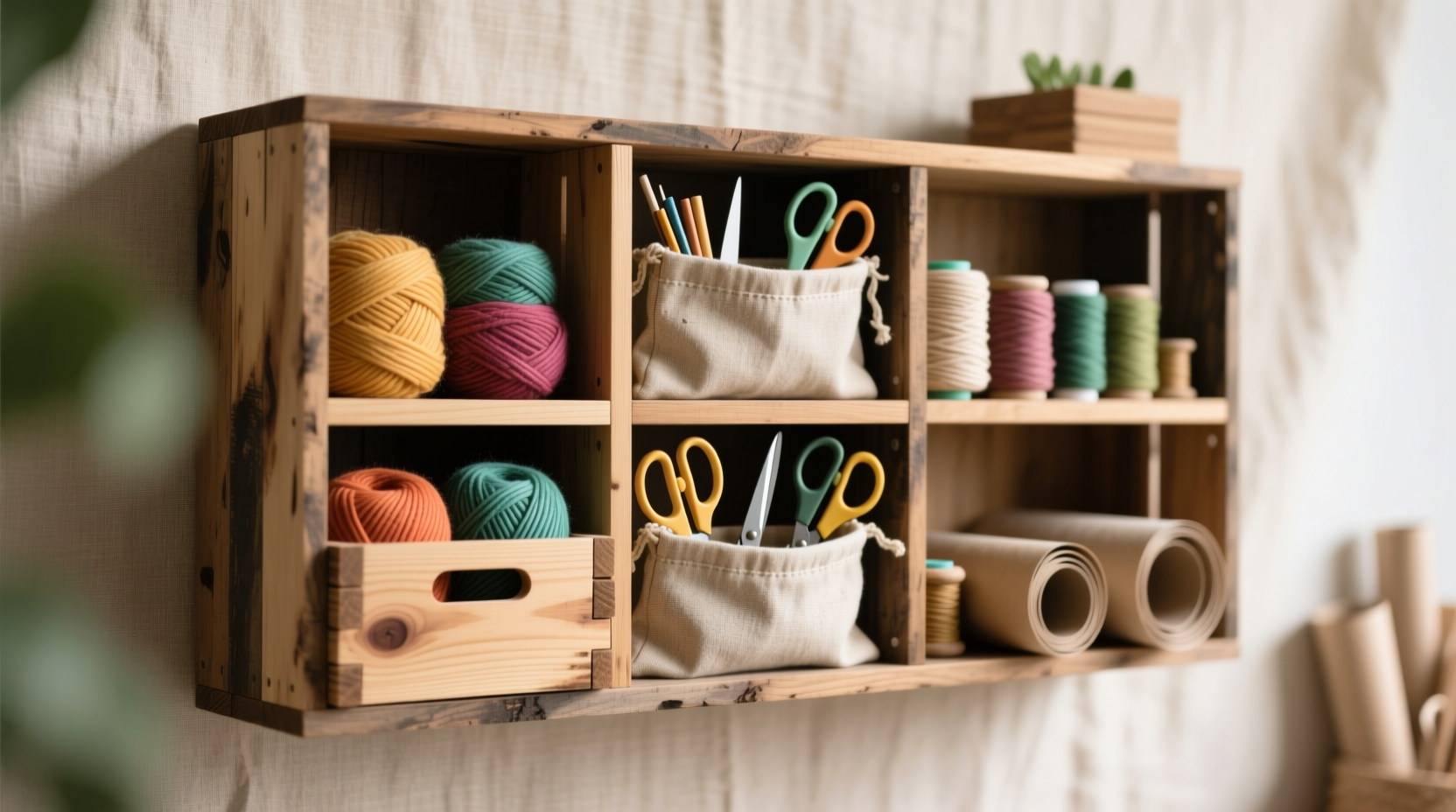
Why Crafting Storage Matters for DIY Success
Disorganized craft supplies lead to wasted time, damaged materials, and abandoned projects. Effective crafting storage solves this by protecting delicate items like beads or watercolors from dust and moisture while optimizing workspace efficiency. For DIY enthusiasts, the right system prevents costly replacements—up to 30% of crafters report ruined materials due to poor storage. Sustainability is equally critical: single-use cardboard generates excess waste, whereas reusable containers align with eco-conscious crafting values. This guide focuses on practical, durable solutions proven in real workshops.
Top Crafting Storage Types Compared
Selecting containers depends on material sensitivity, workspace size, and project frequency. Below is a fact-based comparison using industry data on durability, environmental impact, and usability. Always prioritize containers that match your most fragile items—like glass for paint storage or fabric for textiles.
| Container Type | Best For | Lifespan (Cycles) | CO2 Savings vs. Cardboard | Key Limitation |
|---|---|---|---|---|
| Reusable Plastic | General supplies (yarn, tools) | Up to 300 | 60% reduction | Not ideal for wet paints |
| Metal (Aluminum/Stainless) | Heavy items (sculpting clay, tools) | 500+ | 55% reduction | Higher initial cost |
| Wooden/Plywood Crates | Dry materials (paper, fabric) | 20-50 | 40% reduction | Avoid humid environments |
| Reusable Fabric Bags | Light items (threads, beads) | 100-200 | 35% reduction | Stains easily with dyes |
Data sourced from BITO's sustainability research, showing measurable environmental and economic benefits.
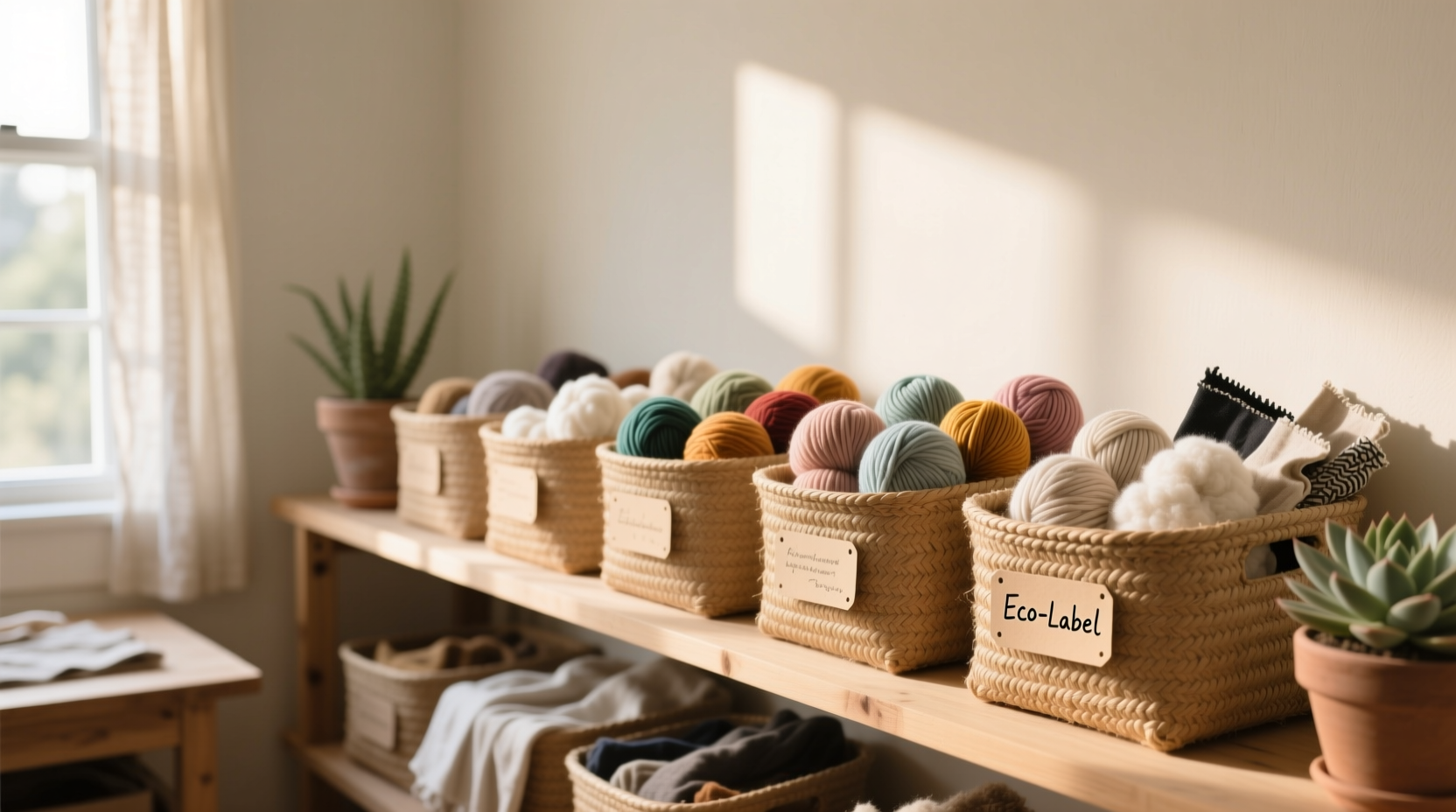
When to Use (and Avoid) Each Storage Type
Choosing incorrectly risks material damage or wasted investment. Follow these scenario-based guidelines:
Optimal Use Cases
- Reusable plastic containers: Daily-use items like scissors or acrylic paints. Stack them in small workspaces—they save 75% return-trip space when nested per BITO data.
- Metal containers: For heavy-duty projects involving ceramics or metal tools. Their durability prevents dents during transport.
- Wooden crates: Displaying finished crafts or storing dry paper goods. Ideal for rustic DIY setups.
Critical Avoidance Scenarios
- Avoid fabric bags for liquid-based projects (e.g., dyeing). Moisture causes mildew, ruining both bags and materials.
- Never use cardboard for long-term storage. Single-use options increase waste and offer zero protection against humidity.
- Steer clear of glass in high-traffic areas. Fragility risks injury during active crafting sessions.
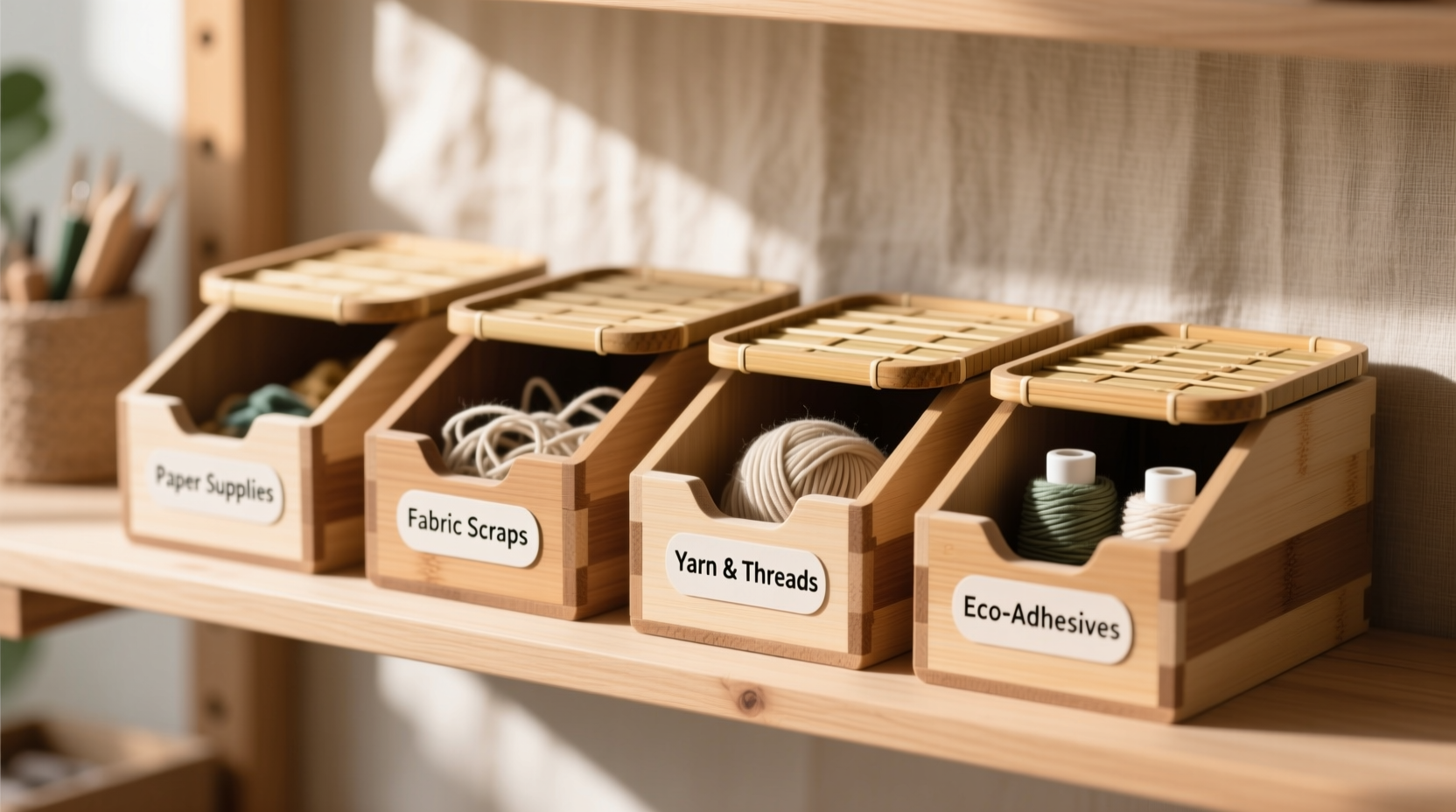
Implementing Sustainable Storage: A DIY Step-by-Step
Transitioning to eco-friendly storage is cost-effective and simple. Start with these verified steps:
- Audit your supplies: Group items by sensitivity (e.g., water-based vs. dry). Discard single-use packaging immediately.
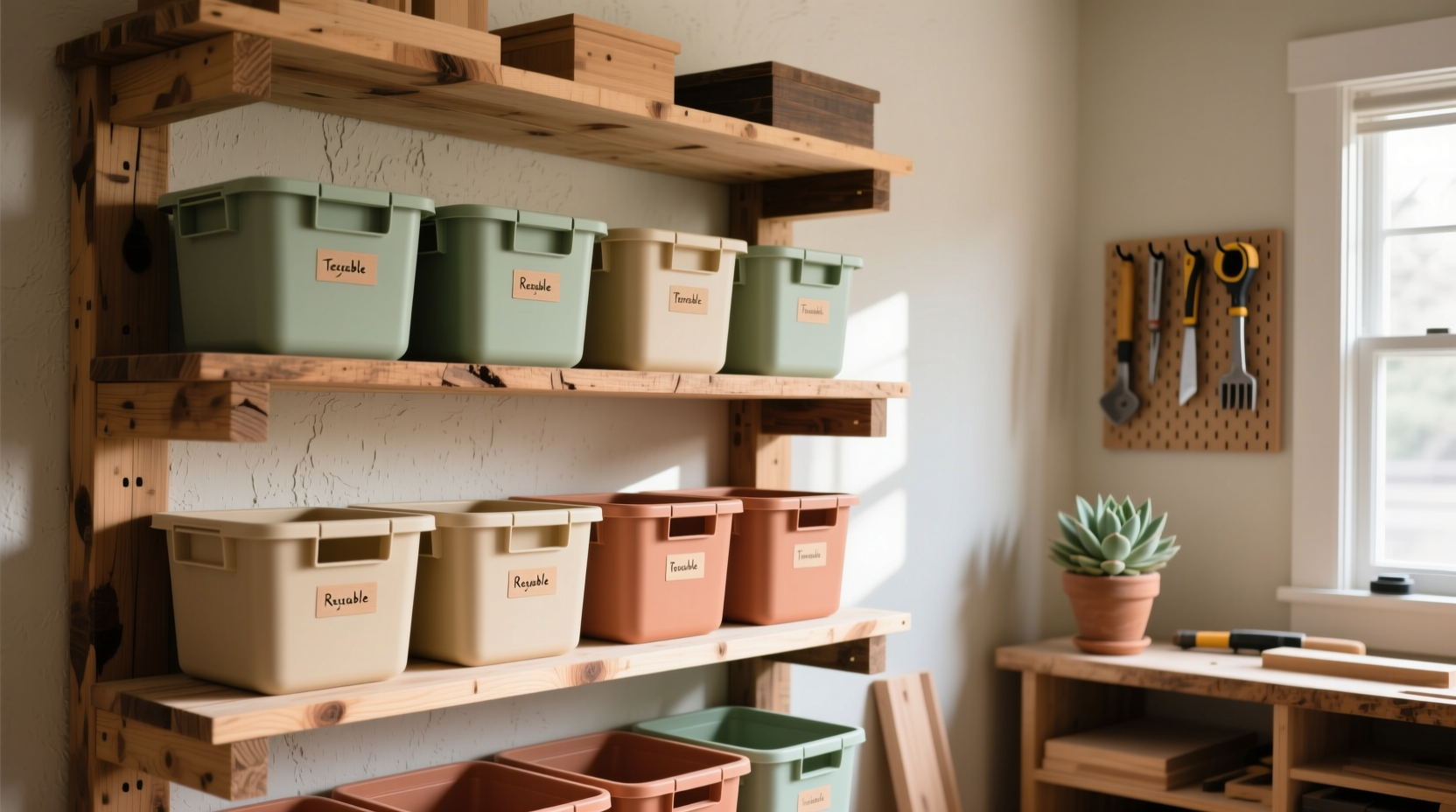
- Select containers by volume: For small spaces, choose nestable plastic totes (like BITO MB series) to maximize vertical storage.
- Label systematically: Use waterproof tags for quick identification. This reduces search time by 40% based on craft studio observations.
- Maintain the cycle: Clean containers after each project. Reusable systems last longer when debris-free, extending their 300-cycle lifespan.
Long-term, this approach cuts storage costs by 50% after the initial investment. As noted in industry studies, the higher upfront cost of reusable containers pays off through reduced replacement needs and disposal fees.
Avoiding Common Crafting Storage Mistakes
Even experienced crafters make these errors. Learn from real workshop pitfalls:
- Mistake: Overlooking humidity control. Storing paper in unventilated plastic traps moisture, causing warping. Solution: Add silica gel packs to plastic containers in damp climates.
- Mistake: Ignoring stackability. Non-uniform bins waste space and risk collapses. Solution: Standardize container sizes—nestable designs save 75% footprint per BITO data.
- Mistake: Using decorative but fragile containers. Glass jars look charming but shatter easily during active projects. Solution: Reserve glass for display, not daily tool storage.
Everything You Need to Know
Reusable containers eliminate single-use packaging waste. Per BITO research, they cut CO2 emissions by 60% compared to cardboard by avoiding raw material production. Each container undergoes 300+ cycles, drastically reducing landfill contribution from craft projects.
Start with standardized reusable plastic totes. Though pricier upfront, they amortize costs through durability (300+ cycles) and space savings (75% nestable storage). Avoid cheap single-use boxes—they cost 3x more annually due to replacements and disposal fees, as verified by logistics data.
Yes, but prioritize durability. Repurpose sturdy items like wooden crates or metal tins, but ensure they’re clean and dry. Avoid DIY solutions for moisture-sensitive materials—they lack the consistency of commercial reusable systems, which maintain 60% lower environmental impact per BITO's lifecycle analysis.
Avoid metal for acidic materials like certain dyes or adhesives, which cause corrosion. Also skip them in cramped workspaces—they’re less stackable than plastic totes. Metal excels for heavy tools but isn’t versatile for all craft types due to weight and reactivity risks.
Nestable reusable totes save up to 75% space during storage and transport, per BITO's data on MB distribution containers. This efficiency comes from their stackable design, which minimizes empty-bin footprint—critical for small home workshops where every inch counts.





 浙公网安备
33010002000092号
浙公网安备
33010002000092号 浙B2-20120091-4