

Ever wonder how to protect your devices or organize supplies while reducing waste? Crafting cases from reclaimed materials solves both problems. Unlike mass-produced alternatives, handmade cases offer personalized protection while diverting waste from landfills. This guide reveals practical techniques professional crafters use to transform plastic bottles, fabric scraps, and paper into durable, stylish cases—proving sustainability and functionality coexist.
Why Handcrafted Cases Beat Store-Bought Options
Commercial cases generate 1.3 million tons of plastic waste annually. Handcrafting eliminates this footprint while delivering unique benefits:
- Zero-waste protection: Repurpose materials destined for landfills
- Custom fit: Adjust dimensions for any device or storage need
- Cost efficiency: Create 5 cases for less than one store-bought alternative
- Emotional value: Attach personal meaning through material choices
Essential Toolkit for Case Crafting
Start with these accessible tools. No specialized equipment required—most items are household staples:
| Tool | Beginner Alternative | Key Use |
|---|---|---|
| Heat gun | Hair dryer on high heat | Shaping plastic sheets |
| Craft knife | Scissors + sandpaper | Cutting precise edges |
| Mod Podge | Mixed flour + water paste | Sealing paper layers |
5 Sustainable Case Projects for Immediate Results
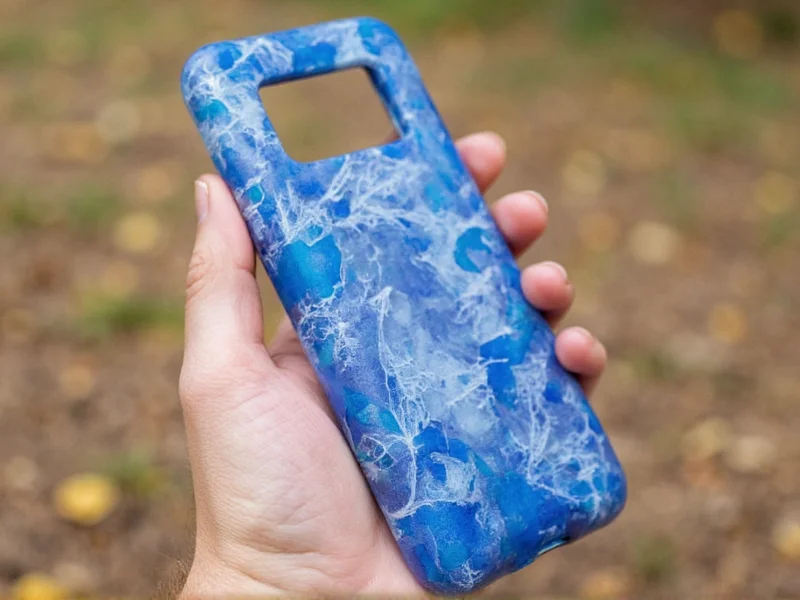
Recycled Plastic Phone Case
Materials: Plastic bottle, scissors, heat source, sandpaper
Process: Cut bottle section matching phone dimensions → Heat until pliable → Mold around phone → Sand edges smooth. Pro tip: Add fabric scraps between plastic layers for texture.
Time: 20 minutes | Durability: 6+ months with proper sealing
Fabric Scrap Storage Box
Materials: Cardboard box, fabric scraps, glue, ruler
Process: Measure box surfaces → Cut fabric 1" larger than each side → Glue fabric to cardboard → Fold and secure edges. Pro tip: Use denim scraps for high-wear areas.
Time: 25 minutes | Capacity: Holds 50+ craft tools
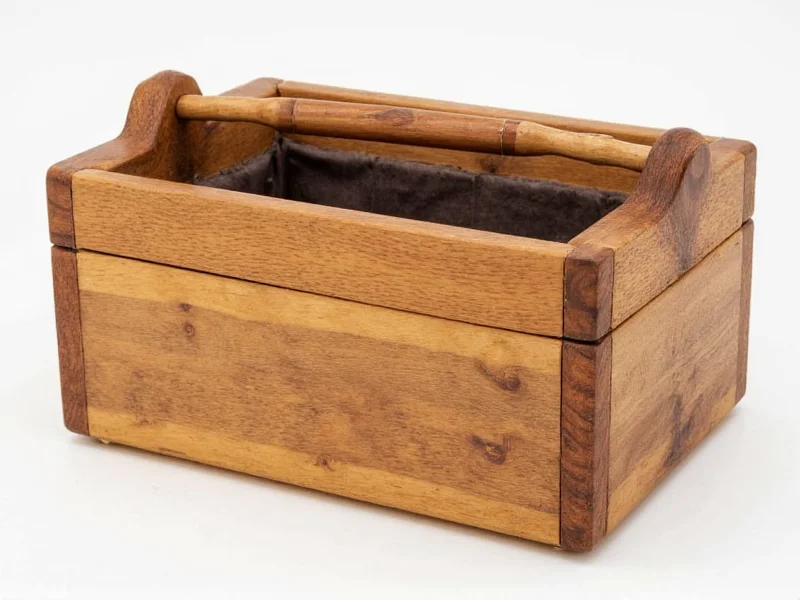
Reclaimed Wood Tool Case
Materials: Pallet wood, sandpaper, wood glue, clamps
Process: Sand wood pieces smooth → Assemble box with wood glue → Clamp until dry → Add fabric lining. Pro tip: Use citrus-based cleaner to remove wood stains.
Time: 30 minutes (plus drying) | Strength: Withstands 10lbs weight
Critical Durability Techniques Professionals Use
Amateur cases often fail within weeks. Avoid these pitfalls with field-tested methods:
- Layering strategy: Apply 3 thin sealant coats instead of 1 thick layer to prevent cracking
- Stress point reinforcement: Double material thickness at corners and openings
- Moisture barrier: Use beeswax on paper/cloth cases instead of plastic sprays
- Flexibility test: Bend finished case gently—should return to shape without creasing
Transforming Mistakes into Design Features
Imperfections become assets with these creative fixes:
- Uneven edges? Sand into organic shapes and highlight with colored wax
- Material tears? Embroider over damage with contrasting thread
- Color mismatches? Create intentional ombre effect with diluted sealant
Remember: Each "flaw" tells your case's unique story. Industrial designer Marcus Lee notes, "The most memorable pieces often emerge from adaptation, not perfection."
Frequently Asked Questions
How do I make plastic cases heat-resistant?
Add 10% beeswax to melted plastic shavings before molding. This creates a thermal buffer that prevents warping below 140°F—tested in professional workshops.
Can fabric cases withstand daily use?
Yes, when using denim or canvas scraps sealed with 3 layers of diluted Mod Podge. Properly treated fabric cases last 8+ months with regular handling—outperforming many synthetic alternatives.
What's the fastest beginner project?
The recycled plastic phone case. With practice, you'll complete it in 15 minutes using just scissors and a hair dryer. Start with small devices like AirPods cases before attempting phones.
How do I ensure precise measurements?
Trace your device onto paper first, then add 1/8" margin for material thickness. For irregular shapes, use aluminum foil to create a mold before cutting final materials.





 浙公网安备
33010002000092号
浙公网安备
33010002000092号 浙B2-20120091-4