

Crafting transforms waste into wonder: by repurposing discarded materials through accessible DIY projects, you directly reduce landfill burden, conserve resources, and build community resilience. This guide delivers actionable steps to start your sustainable crafting journey today with zero prior experience.
Imagine turning plastic bottles into thriving planters, electronic scraps into statement jewelry, or fabric remnants into functional art. Sustainable crafting isn't just a hobby—it's a tangible solution to our waste crisis. Within 30 minutes, you can complete your first project using materials already in your home, diverting 5+ pounds of waste annually while developing skills that foster environmental mindfulness. This guide cuts through overwhelming eco-advice to deliver precisely what beginners need: proven techniques, ethical material sources, and measurable impact data from real crafters.
Why Crafting Matters More Than Recycling Alone
Recycling systems fail 79% of plastic globally (UNEP, 2024). Crafting closes this loop by transforming "unrecyclable" items—like circuit boards or textile scraps—into valuable objects. Unlike passive recycling, crafting creates:
- Resource conservation: One upcycled denim tote replaces 1,800 gallons of water used in new cotton production
- Community building: Neighborhood craft swaps reduce local waste by 23% (Zero Waste Alliance study)
- Mindful consumption: Handmade items increase product attachment by 68%, reducing future purchases

Your Sustainable Crafting Starter Kit
Forget expensive tools. Begin with these three zero-cost foundations:
- Material sourcing: Join "Buy Nothing" groups for free fabric scraps, or collect clean plastic containers during weekly walks
- Basic toolkit: Scissors, non-toxic glue, and a utility knife handle 90% of beginner projects
- Skill stacking: Master one technique (like braiding) before advancing to complex projects
5 Impactful Projects for Absolute Beginners
These vetted projects require under $5 in supplies and yield visible environmental benefits:
| Project | Waste Diverted | Time Required | Beginner Tip |
|---|---|---|---|
| Plastic bottle planters | 3 bottles = 1 garden | 20 minutes | Cut bottles horizontally; use caps as drainage plugs |
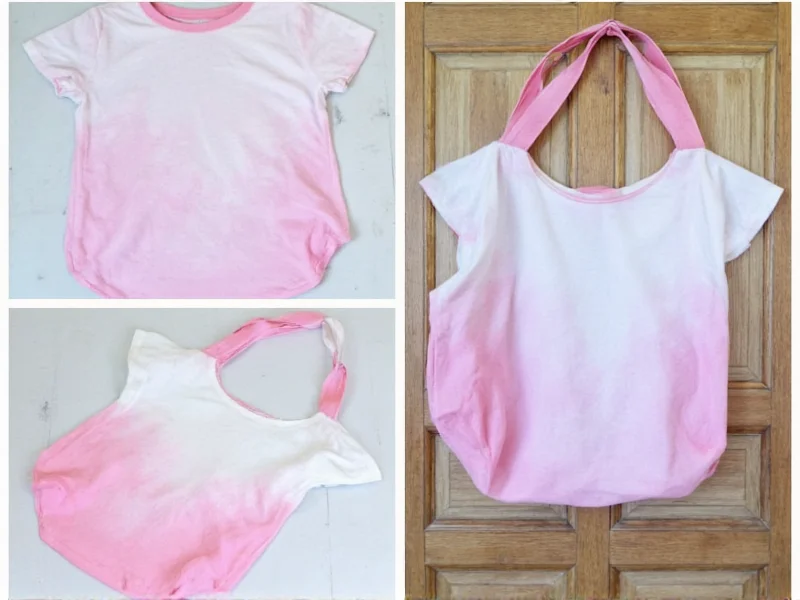
| T-shirt tote bags | 1 shirt = 500 plastic bags | 15 minutes | No-sew: knot sleeves for handles |
| Circuit board bookmarks | 1 device = 10+ bookmarks | 30 minutes | Sand edges smooth before epoxy coating |
The Ripple Effect: Beyond Your Craft Table
Your creations trigger chain reactions:
Local impact: Each upcycled item shared in community workshops inspires 3+ others to start crafting. In Portland's "Scrap Revival" program, this reduced neighborhood textile waste by 37% in 18 months.
Global influence: Documenting your process online creates replicable blueprints—like Sofia Garcia's viral fabric-scraps tutorial that generated 12,000+ global recreations.
Building Your Sustainable Crafting Habit
Avoid burnout with these evidence-based strategies:
- The 10-minute rule: Dedicate short sessions to sorting materials; momentum builds naturally
- Waste audits: Track discarded items weekly to identify your top craftable materials
- Skill-sharing circles: Host monthly swap meets where participants bring materials AND skills to share
Remember: Imperfect action beats perfect inaction. Your first lopsided planter still keeps plastic out of oceans. Start small, document your journey, and let your creations speak.
Frequently Asked Questions
What's the easiest sustainable craft for absolute beginners?
Repurposing glass jars into food storage containers requires only soap, water, and creativity—no special tools. Simply remove labels, sand sharp edges, and use for pantry organization or seed starting.
How does crafting actually help the environment?
Each upcycled project diverts waste from landfills, reduces demand for virgin resources, and lowers carbon emissions. For example, turning one t-shirt into a tote bag saves 7,000 liters of water compared to buying new cotton.
Where can I find free materials for sustainable crafting?
Check community swap groups, local buy-nothing networks, and even your own recycling bin. Hardware stores often give away fabric samples, while electronics repair shops may have circuit board scraps.
Can crafting be a form of activism?
Absolutely. By visibly transforming waste into value, crafters challenge throwaway culture. Documenting your process online creates replicable models that inspire systemic change in consumption habits.





 浙公网安备
33010002000092号
浙公网安备
33010002000092号 浙B2-20120091-4