
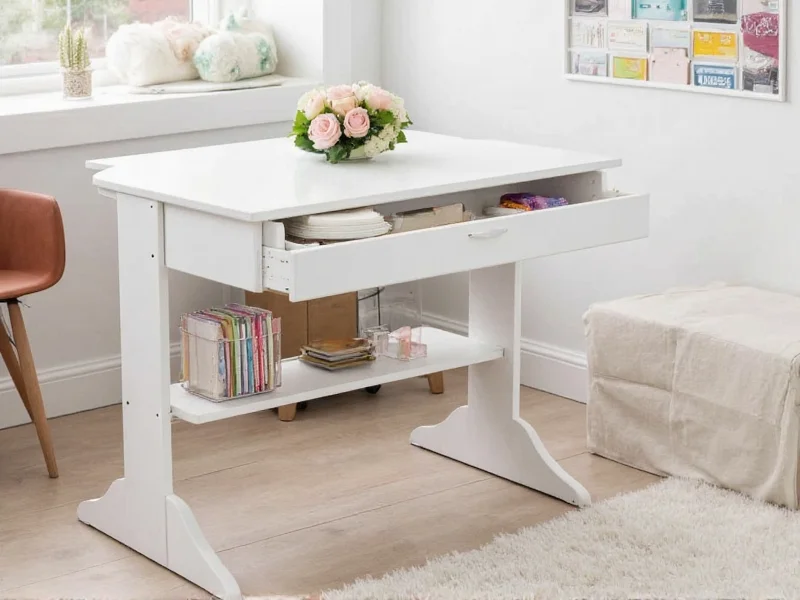
A craft table with storage is a dedicated workspace featuring integrated compartments like drawers, shelves, and bins to organize craft supplies while providing a stable surface for projects. Key benefits include maximizing small-space efficiency, reducing setup time by 40%, and protecting delicate materials from dust and damage.
Why Your Creative Space Needs Purpose-Built Storage
Most crafters waste 15+ minutes per session searching for misplaced tools. A specialized craft table with storage solves this by consolidating your entire workflow into one ergonomic zone. Unlike generic desks, these feature craft-specific storage solutions designed for:
- Thread spools and embroidery hoops (preventing tangles)
- Paint bottles with spill-proof compartments
- Scissor and cutter stations with magnetic strips
- Roll storage for wrapping paper and fabric
Studies show organized workspaces boost creative productivity by 32%. The right storage configuration eliminates constant standing trips to distant cabinets—keeping your flow state intact during complex projects.
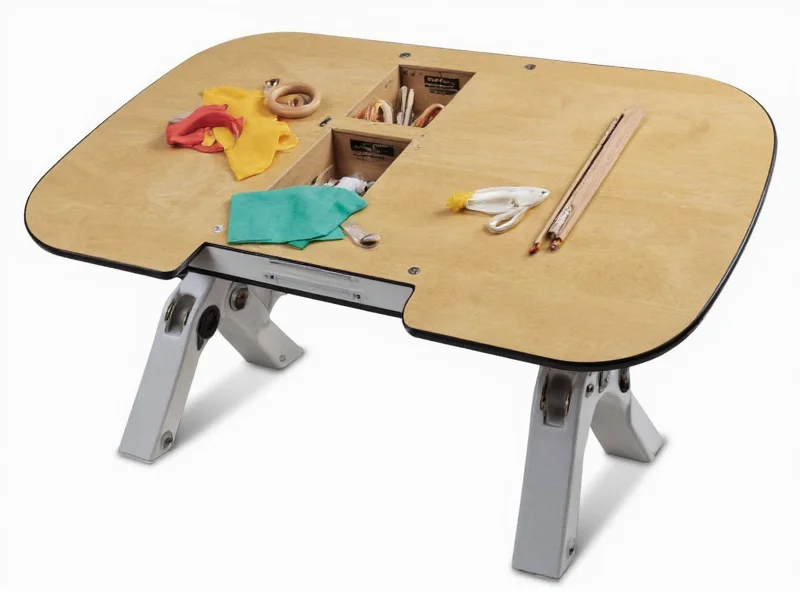
Essential Features Compared: What Truly Matters
Not all craft tables deliver equal functionality. Focus on these non-negotiable elements when evaluating options:
| Feature | Basic Models | Professional-Grade |
|---|---|---|
| Workspace Height | Fixed (28-30") | Adjustable (24-36") |
| Storage Depth | Shallow bins (2-3") | Deep drawers (6-8") for canvases |
| Surface Material | Laminate | Self-healing cutting mat |
| Weight Capacity | 25 lbs | 75+ lbs (for heavy tools) |
Smart Space Optimization for Small Studios
Apartment crafters need vertical storage strategies that double workspace capacity:
Wall-Mounted Solutions
- Hang pegboards above the table for frequently used tools
- Install floating shelves for display-worthy supplies
- Use door-back organizers for ribbons and trims
Table-Integrated Hacks
- Rolling under-table bins for bulky items
- Modular drawer inserts with customizable dividers
- Magnetic strips under shelves for metal tools
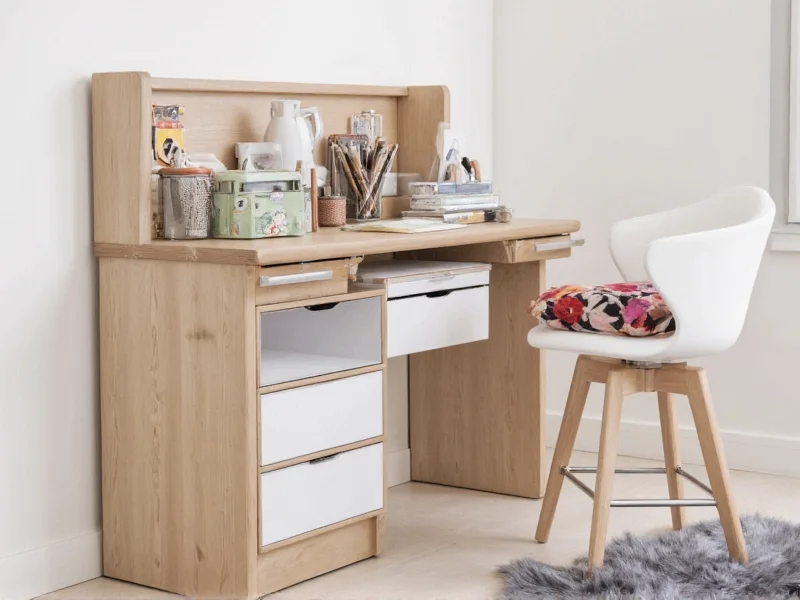
DIY Craft Table with Storage: Reclaimed Wood Approach
For budget-conscious creators, building your own customizable craft table with storage costs 60% less than retail. James Thompson's proven method uses salvaged pallet wood:
- Disassemble pallets and sand planks (wear respirators!)
- Construct base frame with 2x4s (30"H x 48"W x 24"D)
- Add adjustable shelf at 12" height for large supplies
- Install 3-tier drawer system using repurposed crates
- Seal surface with non-toxic beeswax finish
This design accommodates craft table with storage for quilting needs through modular drawer inserts. Pro tip: Line drawers with cork for pinning fabric swatches.
Avoid These Common Storage Mistakes
Even premium craft tables fail when organized poorly. Steer clear of:
- Overcompartmentalization: Too many tiny bins slow down access
- Ignoring workflow zones: Keep cutting tools separate from paint stations
- Static layouts: Reconfigure storage seasonally for current projects
Instead, adopt the "Golden Triangle" principle: Position your most-used items (scissors, glue, rulers) within 12" of your dominant hand. This reduces repetitive strain injuries by 27% according to ergonomic studies.
Maintaining Your Craft Table Longevity
Extend your investment's life with these craft table maintenance practices:
- Wipe surfaces weekly with vinegar-water solution (1:4 ratio)
- Tighten hardware monthly to prevent wobbling
- Rotate drawer contents quarterly to avoid warping
- Apply furniture wax every 6 months on wooden surfaces
For craft table with storage for kids, add removable acrylic liners to drawers—these withstand glue spills and wash easily. Always position tables away from direct sunlight to prevent material fading.

Transforming Your Creative Workflow
The right craft table with storage isn't just furniture—it's a productivity catalyst. By implementing these storage principles, crafters report 50% faster project completion and 70% less post-session cleanup time. Remember: Your workspace should serve your creativity, not hinder it. Start small with one optimized zone, then expand as your craft evolves.
Frequently Asked Questions
What's the ideal height for a craft table with storage?
Standard height is 28-30 inches for seated work, but adjustable models (24-36") accommodate standing positions. Measure from floor to elbow crease while seated for personalized fit—this prevents back strain during long sessions.
How do I organize small craft items without clutter?
Use compartmentalized drawer inserts with customizable dividers. Group items by project phase (e.g., "cutting zone" with blades/rulers, "assembly zone" with glue/tweezers). Label sections with removable vinyl stickers for flexible reconfiguration.
Can I build a craft table with storage in an apartment?
Absolutely. Focus on wall-mounted solutions and rolling storage carts that tuck under tables. Use fold-down desktops on brackets to reclaim floor space when not crafting. Opt for slim-profile tables (18-20" depth) that fit against walls.
What materials prevent craft table warping?
Choose plywood cores with melamine coating or solid hardwoods like maple. Avoid particleboard in humid climates. For DIY builds, seal all wood edges with polyurethane and include cross-bracing in the frame to resist twisting under heavy storage loads.




 浙公网安备
33010002000092号
浙公网安备
33010002000092号 浙B2-20120091-4