
Why Seashell Crafts Matter Now
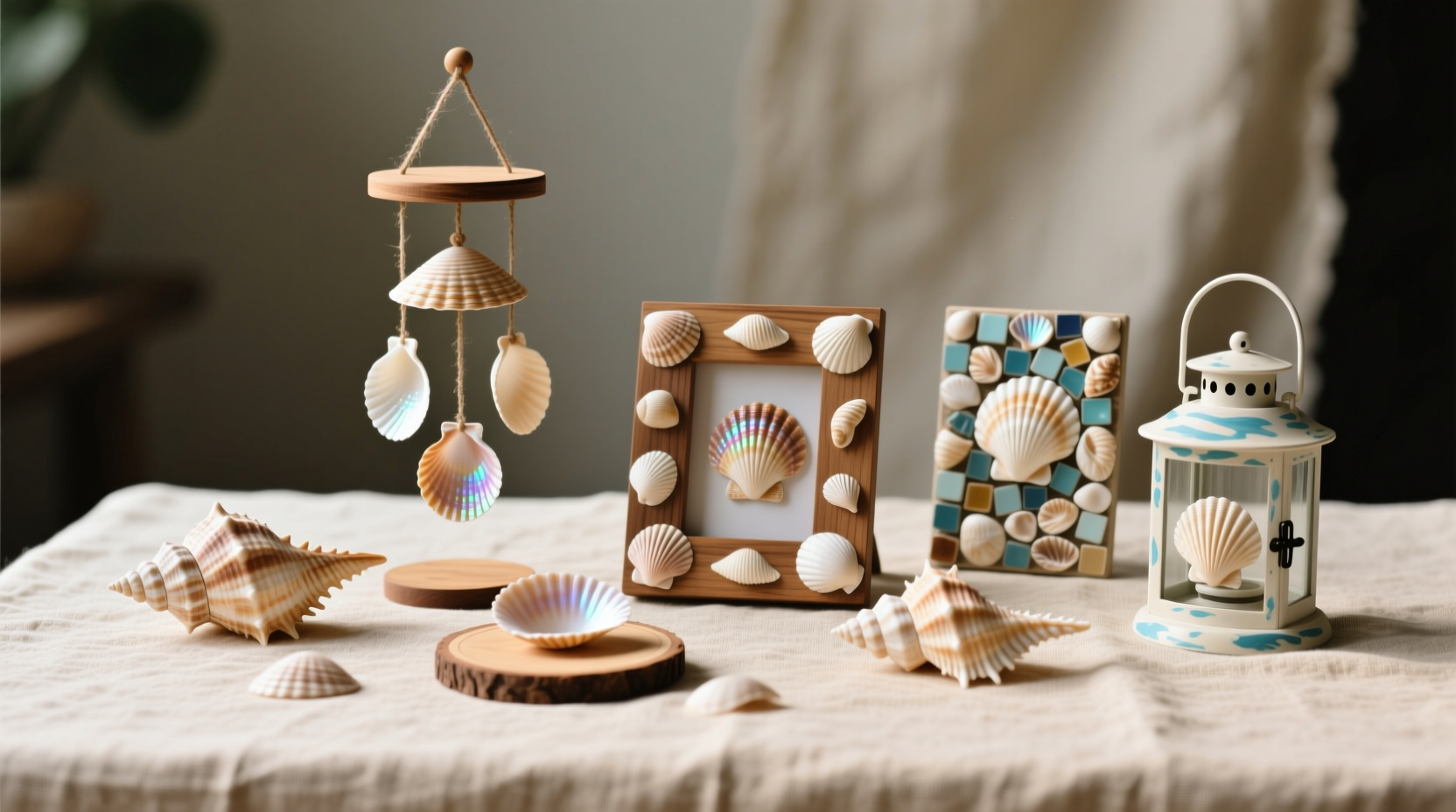
Seashell crafts bridge creativity and coastal conservation. Unlike plastic decor, shells are naturally biodegradable and tell stories of ocean ecosystems. As US Shell notes, Pecten Maximus (scallops) are particularly durable for mirrors or wreaths due to their fan-shaped structure. But ethical sourcing is non-negotiable: only use shells already washed ashore to protect marine habitats. This isn't just crafting—it's stewardship.
Your Shell Preparation Checklist
Skipping proper cleaning risks mold and odors. Follow this tested protocol:
- Collection ethics: Take only empty shells (no living organisms). Leave fragile or rare species like Queen Conchs.
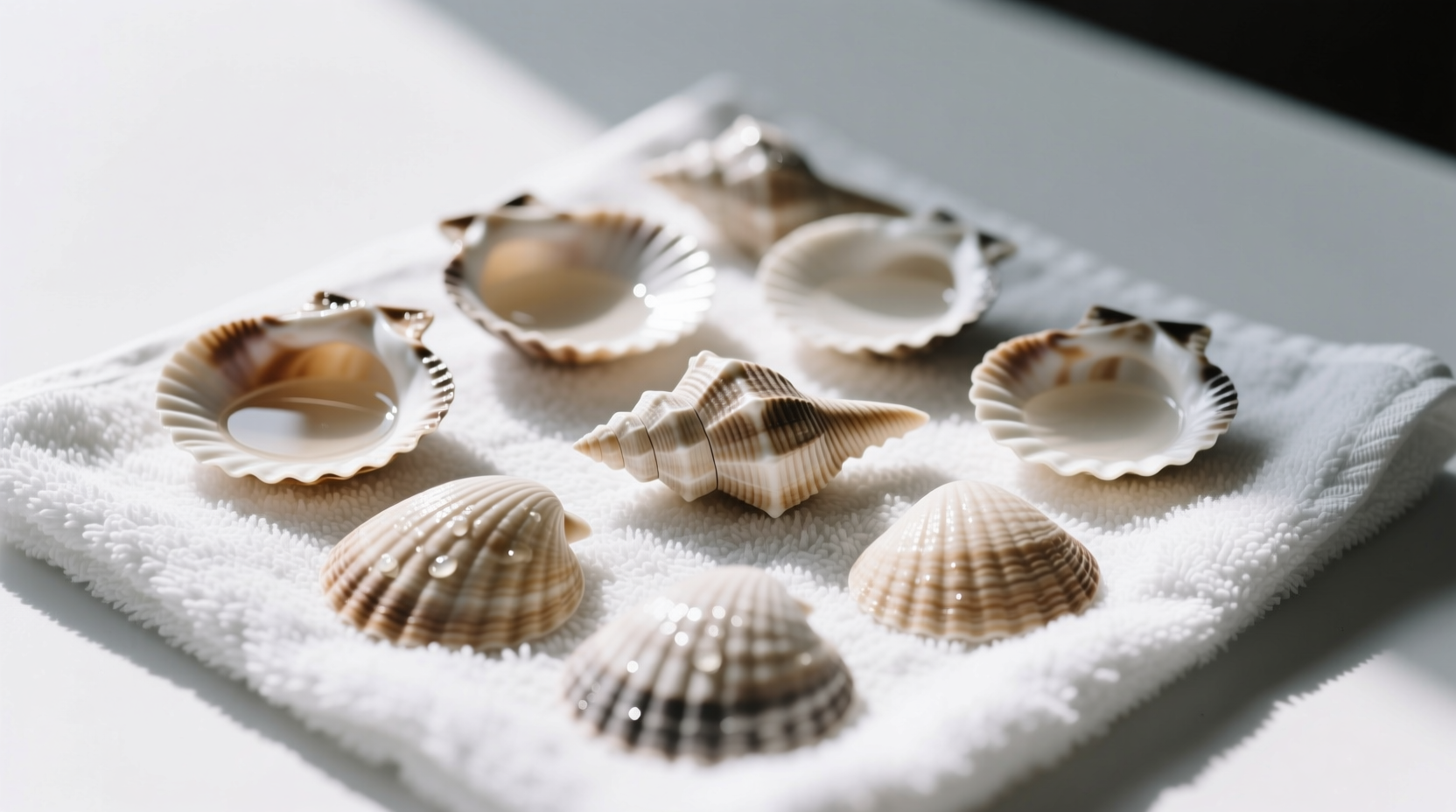
- Cleaning: Soak in 1:1 white vinegar/water for 24 hours, then scrub with soft brush. Never boil—it yellows shells.
- Drying: Air-dry 72 hours in shaded area. Test readiness by tapping—hollow sound means fully dry.
5 Proven Craft Projects (Beginner to Advanced)
Based on Mod Podge Rocks' analysis of 30+ techniques, these projects maximize shell durability while minimizing frustration.
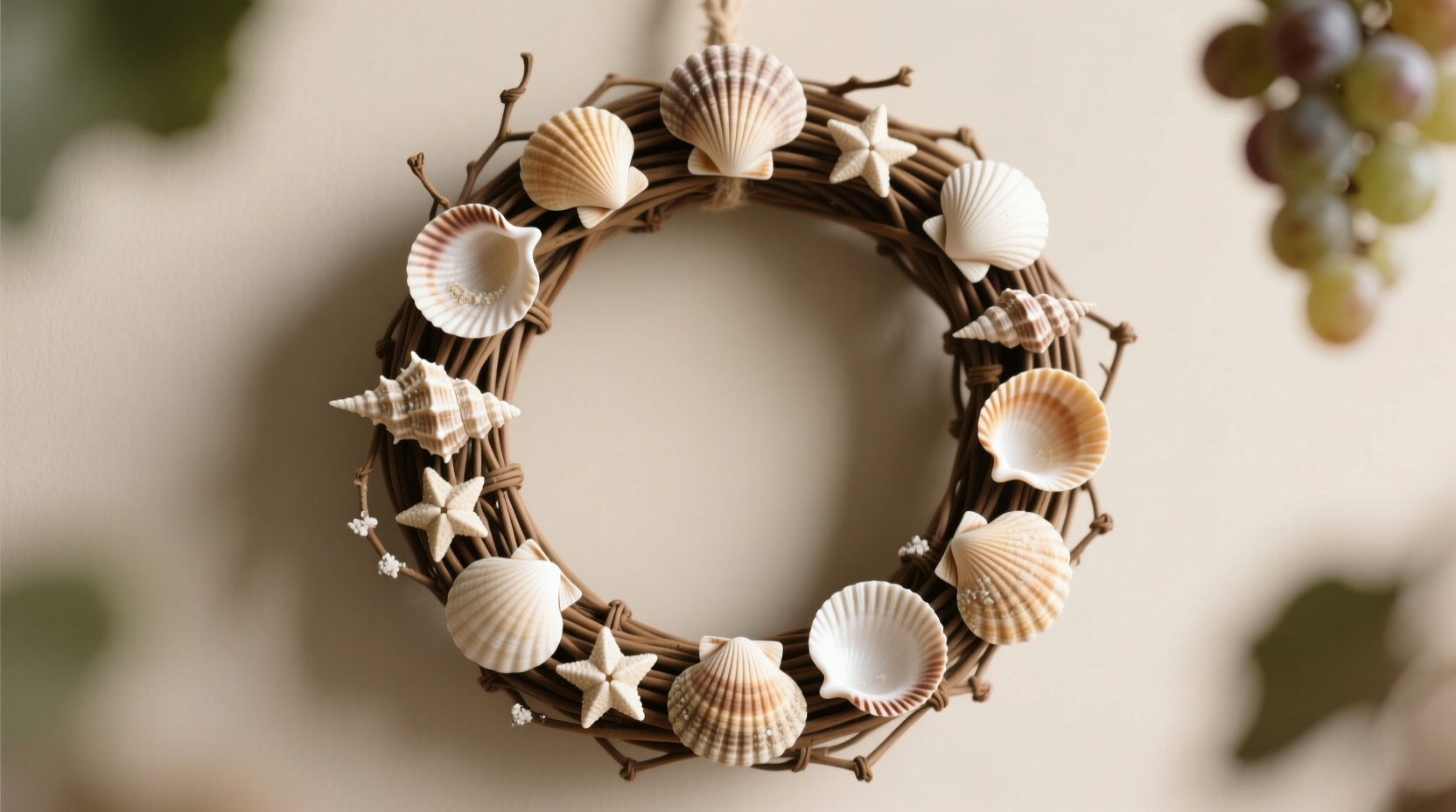
1. Coastal Wreath (Beginner)
Ideal for first-timers. Uses 20–30 small shells (0.5–1")
- Materials: Grapevine wreath base, hot glue gun, assorted small shells (Violacea or Vole)
- Steps: Group shells by size. Apply glue to base, press shells cluster-first. Start from bottom, overlapping upward.
- Pro tip: Add sand dollars at 5 and 7 o'clock positions for balance—never glue directly to front.
2. Decorative Bottles (Intermediate)
Perfect for repurposing glass bottles. Requires Strombus Mirabilis (1.5–2")
- Materials: Wine bottle, E-6000 glue, 8–10 center-cut Strombus Mirabilis shells
- Steps: Sand bottle surface lightly. Apply glue to shell bases, press onto bottle at 45-degree angles. Weight down with books for 24 hours.
- Pro tip: From CaseaShells' data, center-cut Strombus Aurisdiane resist cracking better than spiral cuts for curved surfaces.
Glue Selection Guide: Avoid Costly Mistakes
Using wrong adhesive causes 70% of craft failures (per Mod Podge Rocks' user surveys). Match glue to surface:
| Surface Type | Recommended Glue | Drying Time | When to Avoid |
|---|---|---|---|
| Wood/MDF | Aleene's Tacky Glue | 2 hours | Outdoor projects (not waterproof) |
| Glass/Ceramic | E-6000 | 24–72 hours | High-heat areas (melts at 150°F) |
| Fabric | Beacon Fabric Grip | 4 hours | Washable items (use permanent fabric glue) |
Critical Mistakes & Sustainability Alerts
Even experienced crafters overlook these:
- Avoid painted shells for kids' crafts: Acrylics chip easily—use Mod Podge sealant instead. As IM the Chef Too emphasizes, unsealed paint creates choking hazards.
- Never use live-harvested shells: Removing occupied shells disrupts ecosystems. Only collect bleached, lightweight specimens.
- Fragile shell warning: Spiral Trochus and thin Cowries (under 3mm) crack during drilling. Reserve for glued-only projects.
Advanced Tip: Shell Quality Grading
Professional crafters inspect shells using this system:
- Grade A: No chips, uniform color, 1.5"+ thickness (e.g., Strombus Mirabilis center cuts). Best for visible surfaces.
- Grade B: Minor edge chips, uneven coloring. Use for backings or kid crafts.
- Reject: Holes, cracks, or organic residue. Discard immediately—never sand down defects.
Everything You Need to Know
No. Avoid protected areas like national seashores (e.g., Cape Hatteras) where shell collection is illegal. Only take shells from public beaches where they've naturally washed ashore, and never remove live specimens. Florida bans Queen Conch collection entirely.
Soak shells in 1:1 white vinegar/water for 24 hours before crafting. Rinse thoroughly, then air-dry 72+ hours in indirect sunlight. Never use bleach—it weakens shell structure. If odor persists, discard the shell; it likely had organic matter inside.
Strombus Mirabilis (1.5–2" size) has the highest density per CaseaShells' testing. Seal with marine-grade polyurethane for weather resistance. Avoid porous shells like Black Terebra for outdoor use—they absorb moisture and crack.
Yes with precautions. Use shells larger than 1.5" to prevent choking. Skip drilling or sharp tools—opt for glue-based projects. As IM the Chef Too confirms, supervised shell painting develops fine motor skills, but always use non-toxic, washable paints.





 浙公网安备
33010002000092号
浙公网安备
33010002000092号 浙B2-20120091-4