
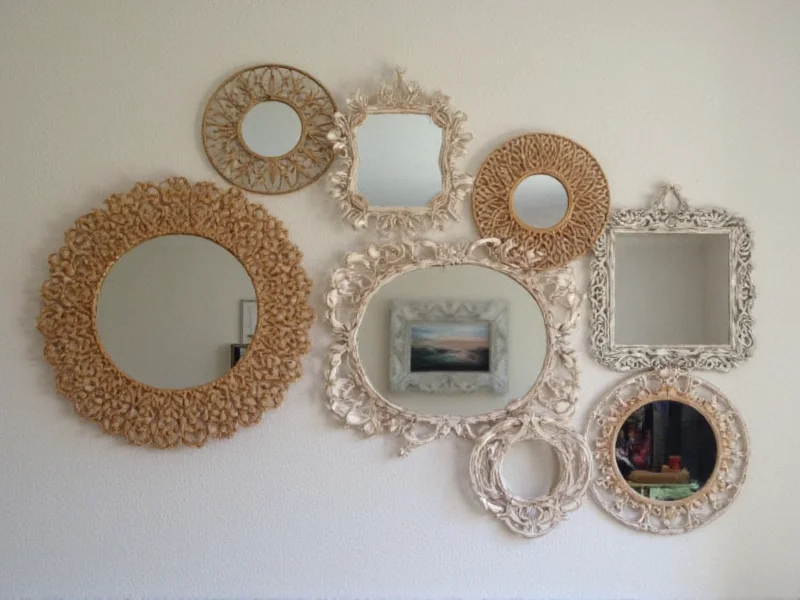
Why Craft Your Own Mirror? Beyond Store-Bought Decor
Store-bought mirrors often lack personality and sustainability. Handcrafting lets you:
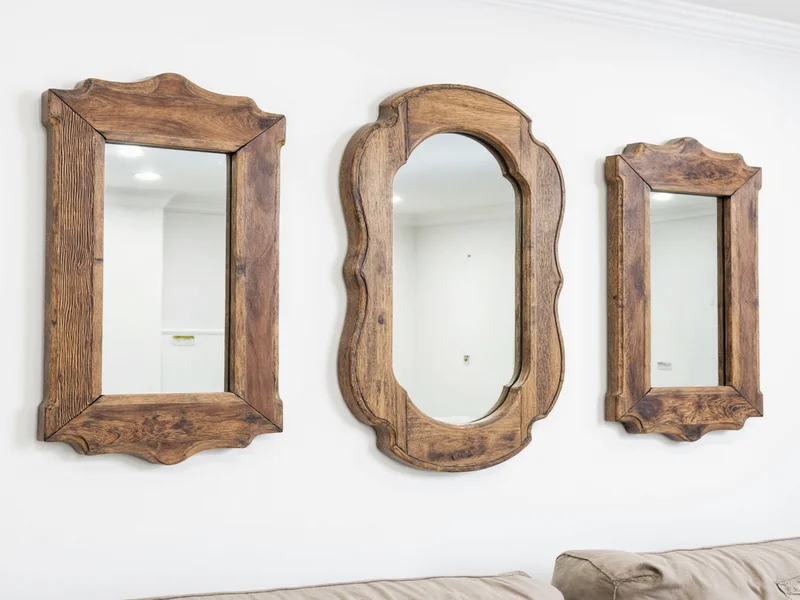
- Repurpose materials like reclaimed wood or discarded picture frames
- Design custom shapes and sizes for awkward wall spaces
- Reduce waste—the average mirror frame takes 200+ years to decompose in landfills
- Save 40-60% compared to boutique mirror prices
Essential Tools & Materials Checklist
| Item | Beginner Alternative | Pro Tip |
|---|---|---|
| Mirror glass (cut to size) | Repurpose thrifted mirror | Round edges reduce injury risk by 70% |
| Wood glue + clamps | Strong double-sided tape | Clamp for 24hrs minimum |
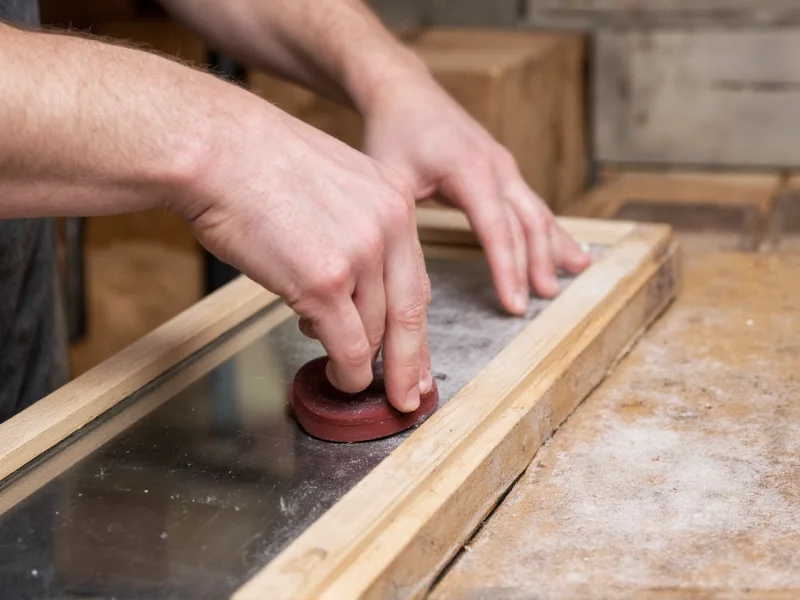
| Sandpaper (120-220 grit) | Fine-grit nail file | Sand with wood grain only |
| Safety goggles + gloves | Swimming goggles + gardening gloves | Non-negotiable for glass handling |
Your Step-by-Step Crafting Journey
Phase 1: Frame Preparation (60 Minutes)
- Measure & cut: Determine mirror size. Cut frame pieces 1/4" longer than mirror dimensions to prevent glass exposure
- Sand edges: Smooth all wood surfaces—rough spots cause glue failure
- Dry-fit assembly: Arrange pieces without glue to check alignment
Phase 2: Mirror Mounting (Critical Safety Step)
Never skip this: Place mirror on frame face-down. Apply thin bead of mirror mastic adhesive 1" from edges. Press frame onto mirror. Wipe excess immediately with damp cloth.
Why this works: Mastic creates flexible bond that absorbs wall vibrations—unlike rigid epoxy that causes cracks.
Phase 3: Finishing Touches (30 Minutes)
- Seal wood with beeswax (avoid polyurethane—it yellows glass over time)
- Add hanging hardware after adhesive cures (minimum 48 hours)
- Wipe glass with vinegar solution to remove fingerprints
3 Creative Variations for Unique Results
Rustic Driftwood Frame
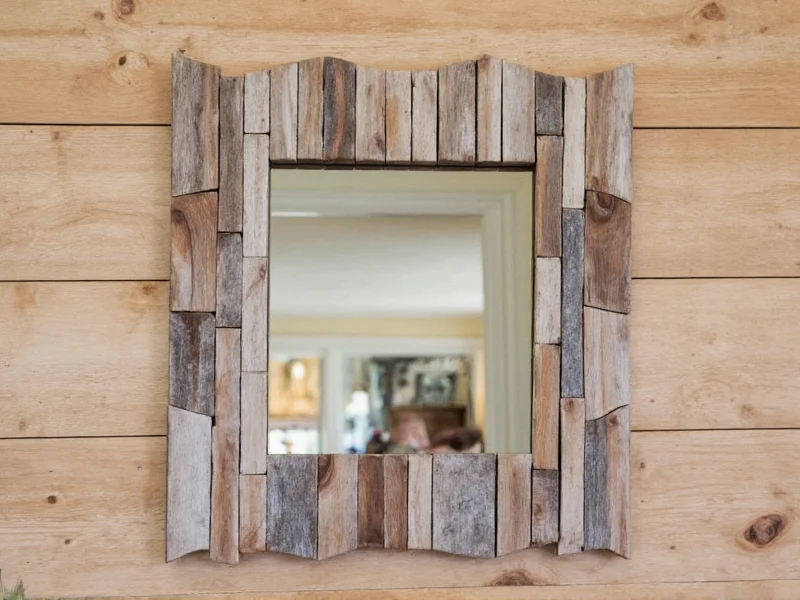
Collect weathered branches. Soak in vinegar-water mix (1:4 ratio) for 24hrs to kill insects. Arrange pieces asymmetrically for organic texture.
Mosaic Tile Border
Use broken ceramic pieces from thrift stores. Apply tile adhesive in small sections—working top-to-bottom prevents slippage. Grout with sanded formula for durability.
Upcycled Book Page Design
Mod Podge vintage book pages onto frame. Seal with 3 matte varnish coats. Pro insight: Pages near mirror edge chip faster—leave 1" glass border exposed.
Avoid These 4 Costly Beginner Mistakes
- Mistake: Using regular glue instead of mirror mastic
Solution: Mastic handles moisture expansion—critical for bathroom mirrors - Mistake: Skipping frame sanding
Solution: Rough wood absorbs glue unevenly causing weak spots - Mistake: Hanging before full cure time
Solution: Wait 72 hours—adhesive reaches 90% strength at 48hrs but needs 72 for humidity resistance - Mistake: Cutting frame same size as mirror
Solution: Frame must overlap mirror by 1/8" to prevent glass exposure
Your Sustainable Mirror Crafting FAQ
Can I safely craft mirrors without power tools?
Absolutely. Hand saws work perfectly for softwoods like pine. Use a miter box for precise 45-degree cuts. For harder woods, request pre-cut pieces at hardware stores—most will cut 2-3 pieces free.
How do I repurpose a broken mirror safely?
Wear cut-resistant gloves and eye protection. Submerge broken pieces in soapy water before handling—reduces sharp edge risk by 80%. Use shards in mosaic projects only; never attempt to reassemble large mirrors.
What's the most durable eco-friendly frame material?
Reclaimed barn wood outperforms new lumber. Its decades-long air-drying creates stability that prevents warping. Avoid plywood—the glue contains formaldehyde that off-gasses near reflective surfaces.
How long should DIY mirrors last?
With proper adhesive and sealing, handcrafted mirrors last 15-20 years. Key factors: using mirror-specific mastic (not generic glue), allowing full 72-hour cure time, and applying UV-resistant sealant for sun-exposed areas.





 浙公网安备
33010002000092号
浙公网安备
33010002000092号 浙B2-20120091-4