
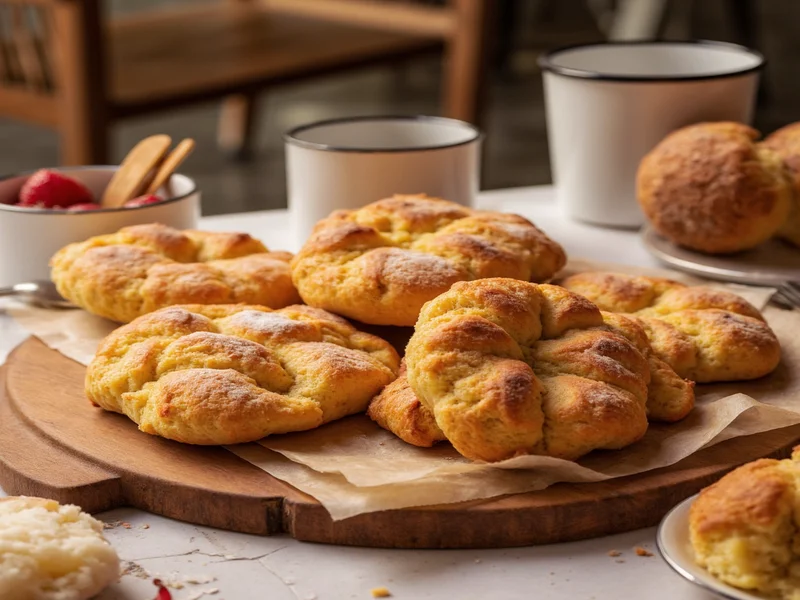
Why Craft Gourmet Bakeries Are Revolutionizing the Baking Industry
Forget stale supermarket croissants and generic cupcakes. Today's discerning consumers crave authenticity, quality, and storytelling in every bite. Craft gourmet bakeries deliver precisely that—transforming flour, water, and time into edible art that commands premium prices while building fiercely loyal communities. This isn't just baking; it's culinary craftsmanship meeting business innovation.
The 4 Non-Negotiable Pillars of a True Craft Gourmet Bakery
Many bakeries slap "craft" on their signage, but genuine craft gourmet operations live by these principles:
Ingredient Integrity
- Locally sourced heirloom grains milled in-house
- Organic dairy and seasonal fruit from named farms
- No industrial additives or preservatives
- Transparent supply chain documentation
Artisanal Process Mastery
- Hand-laminated pastries (no dough sheeters)
- Natural fermentation with wild yeast starters
- Batch sizes under 20 units per item
- Minimum 24-hour fermentation cycles
Product Uniqueness
- Signature items unavailable elsewhere
- Seasonal menu rotations (e.g., pawpaw pie in fall)
- Customizable elements for special occasions
- Story-driven creations (e.g., "Grandma's Fig Tart")
Experiential Engagement
- Open kitchen layout showing craftsmanship
- Staff trained in ingredient storytelling
- Complimentary tasting flights
- Workshops teaching sourdough techniques
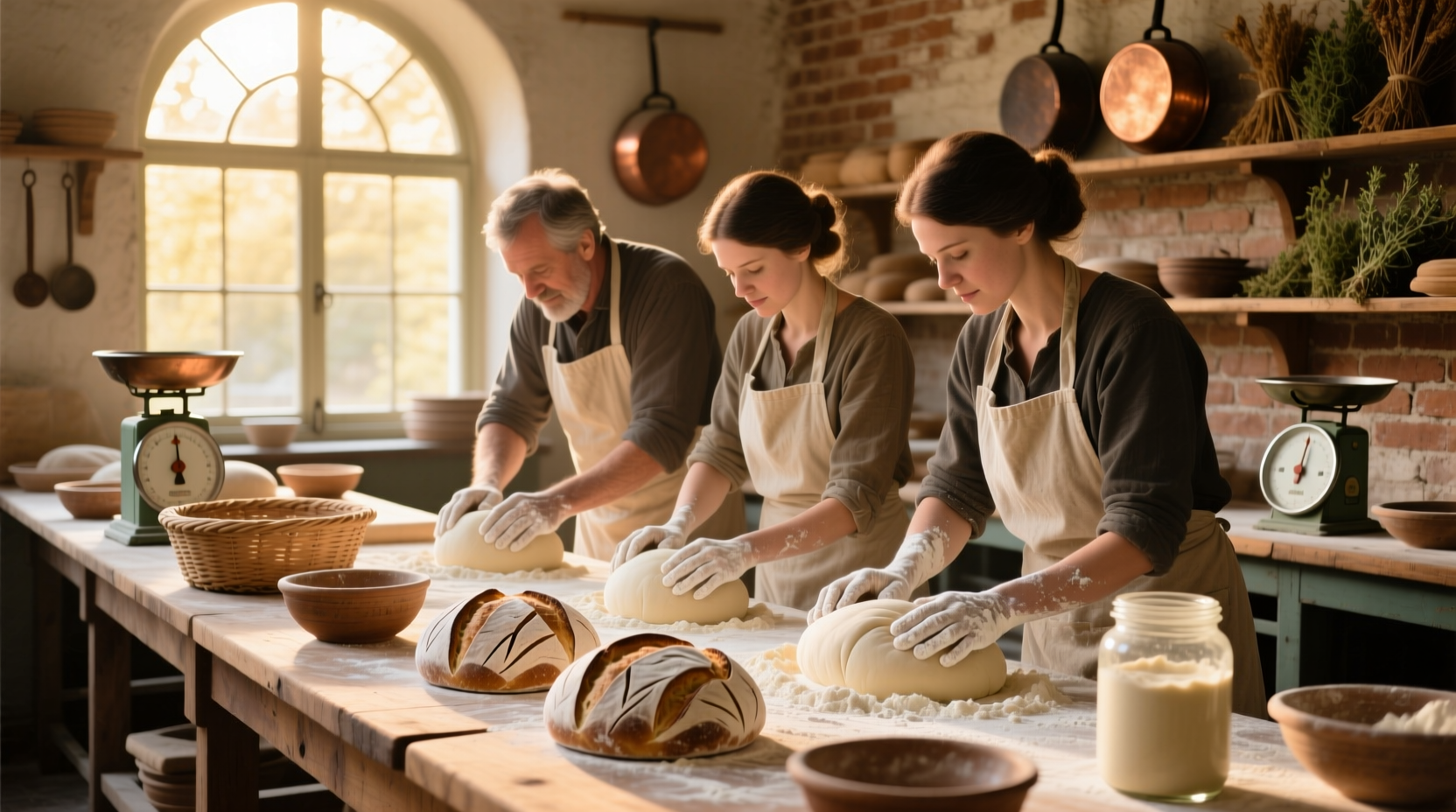
Building Your Craft Gourmet Bakery: A Practical Roadmap
Transitioning from hobbyist to successful craft operation requires strategic planning. Here's how to navigate critical phases:
Phase 1: Market Validation (Before Spending a Dime)
| Validation Method | Key Questions to Answer | Success Threshold |
|---|---|---|
| Pop-up Testing | "Would you pay $8 for this sourdough?" | 70%+ conversion rate |
| Pre-orders | "Would you reserve 6 loaves monthly?" | 50+ commitments |
| Ingredient Sourcing Audit | "Can I get 50lbs of heritage wheat weekly?" | 3 reliable suppliers |
Phase 2: Signature Product Development
Focus on creating 3 hero products that showcase your craft:
- The Conversation Starter: An unexpected item like black garlic brioche that generates social shares
- The Daily Essential: Perfectly executed basics (e.g., baguette with 12-hour fermentation)
- The Premium Experience: Labor-intensive showpiece (e.g., laminated kouign-amann)
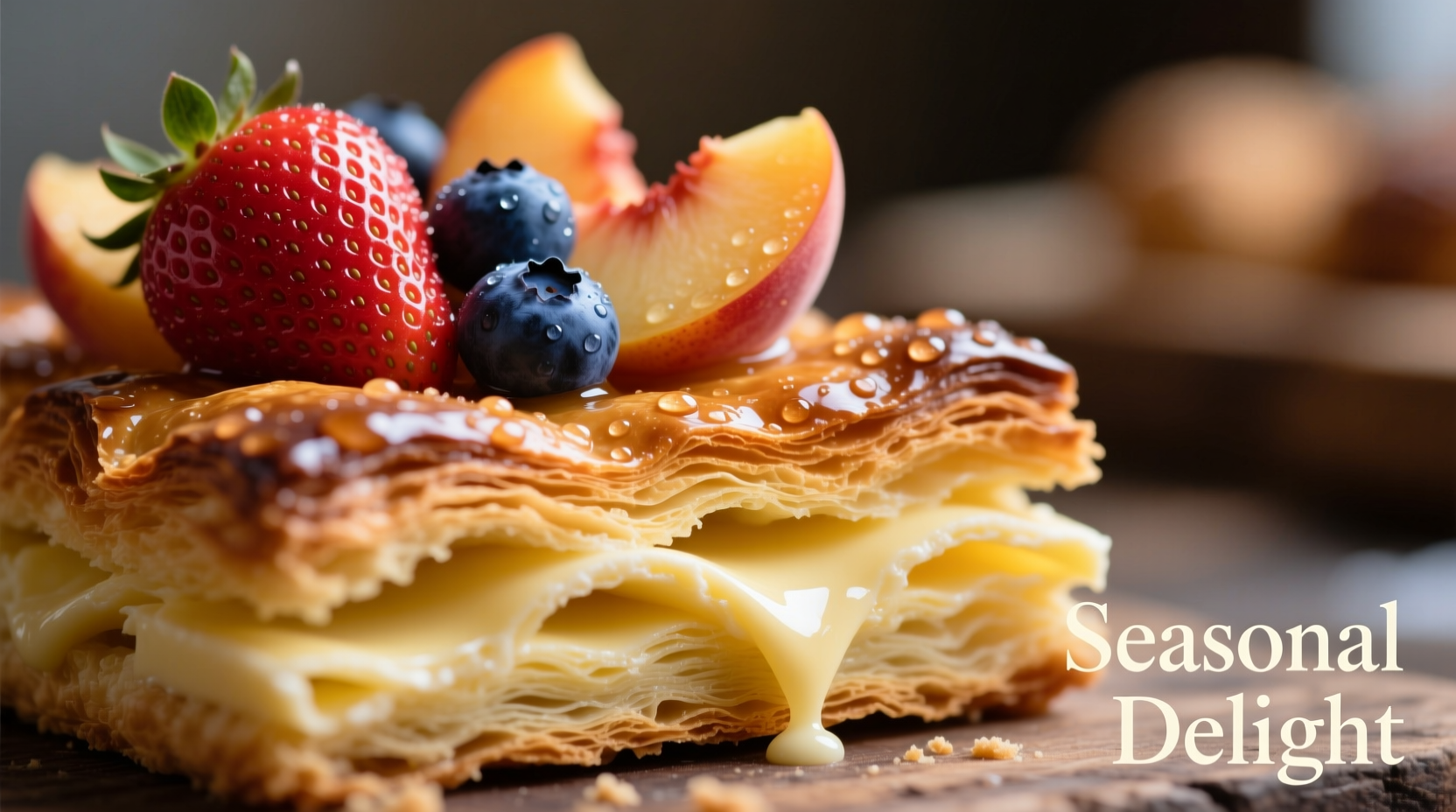
Phase 3: Operational Excellence Framework
Avoid the #1 pitfall that kills craft bakeries: inconsistent quality. Implement these systems:
- Temperature-controlled fermentation rooms (critical for flavor development)
- Daily batch logs tracking hydration, proofing times, and oven spring
- Waste tracking sheets to optimize ingredient usage
- Customer feedback loops via table tents with QR codes
Profitability Secrets Most Craft Bakeries Miss
Artisanal doesn't mean unprofitable. Savvy craft bakeries leverage these often-overlooked strategies:
Ingredient Value Stacking
Use one premium ingredient across multiple products. Example: Local honey appears in:
- Breakfast pastries (30% margin)
- Artisanal bread (45% margin)
- Wedding cake tiers (65% margin)
Time-Based Pricing
Charge premium prices for peak craftsmanship hours:
- 6:00-8:00 AM: Full price (freshly baked)
- 2:00-4:00 PM: 15% discount ("second bake" items)
- Close: "Baker's Dozen" bundles
Real-World Case Study: From Home Kitchen to 6-Figure Business
"The Crusty Loaf" started as a weekend pop-up in Portland. By focusing on three principles, they achieved $220,000 revenue in year two:
- Niche specialization: Only sourdough rye and seeded breads
- Community integration: Partnered with local coffee roasters for "Bread & Brew" events
- Waste innovation: Sold misshapen loaves as "ugly bread" subscription boxes
Their secret? Tracking every gram of flour wasted. Reducing waste by 18% increased net profit by 31% without raising prices.
Avoiding the Craft Bakery Trap
Many passionate bakers fail by overlooking these realities:
- The 4 AM paradox: True craft requires pre-dawn starts—can you sustain this long-term?
- Ingredient volatility: Heritage wheat prices fluctuate 40% seasonally; build 25% cost buffers
- Skill plateau: Mastering laminated dough takes 2+ years of daily practice
Getting Started: Your First 90 Days
Follow this actionable timeline:
| Week | Critical Actions | Key Metric |
|---|---|---|
| 1-2 | Test 3 signature recipes with 50 strangers | 85%+ would pay premium price |
| 3-4 | Negotiate with 2 local farms for ingredient supply | Minimum 3-month contracts |
| 5-8 | Run 4 pop-up events tracking conversion rates | Average $28+ per customer |
| 9-12 | Finalize business model with waste/profit projections | 40%+ gross margin target |
Conclusion: Where Craft Meets Commerce
True craft gourmet bakeries succeed by balancing artistic integrity with business acumen. They understand that every imperfectly shaped loaf tells a story of human hands and patience—something no factory oven can replicate. By focusing on ingredient transparency, process mastery, and community connection, you create not just a bakery, but a destination where customers invest in experiences, not just products. The most successful operations treat their ovens as both art studios and profit centers, proving that when craftsmanship drives commerce, everyone rises.
Frequently Asked Questions
What's the minimum startup cost for a craft gourmet bakery?
Realistically $75,000-$120,000 for a licensed home kitchen operation. This covers commercial equipment, initial ingredient inventory, and business licensing. Avoid undercapitalization—68% of failed craft bakeries underestimated startup costs by 40% or more.
How do craft bakeries handle ingredient cost fluctuations?
Top performers use three strategies: 1) Lock in 6-month contracts with farms at fixed prices, 2) Create seasonal menu rotations that shift with ingredient availability, and 3) Implement dynamic pricing where premium items absorb cost increases while core products maintain stability.
Can you be truly 'craft' while using commercial mixers?
Yes, but with critical caveats. Mixers are acceptable for initial dough development, but final shaping must be hand-finished. The craft distinction comes from human oversight at critical stages—like adjusting hydration based on weather or hand-laminating pastry layers. Automation should never replace artisanal judgment points.
What's the biggest mistake new craft bakers make?
Underpricing products to attract customers. Craft gourmet goods require premium pricing to sustain quality. Bakers who price below $6 for artisanal loaves typically operate at 15-20% loss margins. Charge what the craftsmanship deserves—your target customers expect and value premium pricing.





 浙公网安备
33010002000092号
浙公网安备
33010002000092号 浙B2-20120091-4