
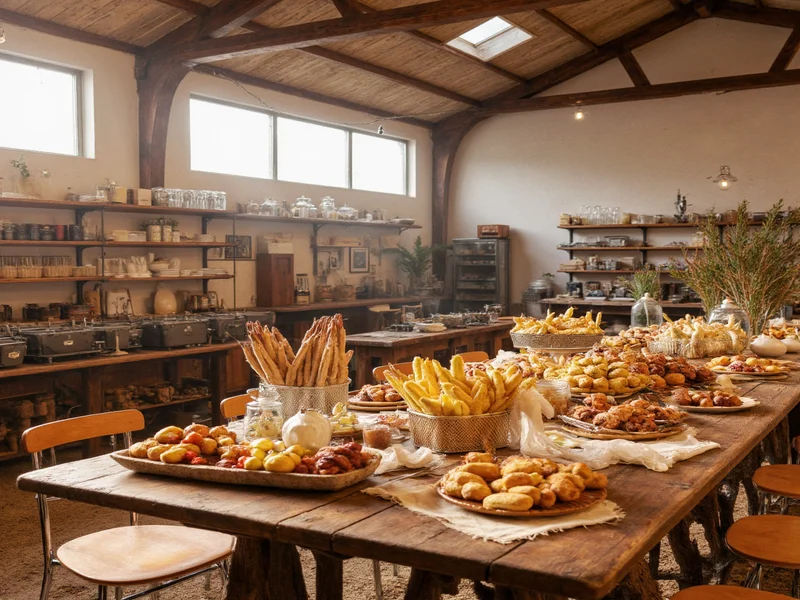
A craft food barn is a dedicated space—typically a repurposed agricultural building—where local artisans and farmers sell handmade, small-batch food products directly to consumers, emphasizing sustainability, community connection, and artisanal quality over mass production.
Imagine walking into a sun-drenched barn where the scent of freshly baked sourdough mingles with wildflower honey and small-batch preserves. Shelves display hand-labeled jars of pickled vegetables, locally roasted coffee beans, and cheeses aged in nearby caves. This isn't a fantasy—it's the thriving reality of craft food barns, which have surged by 200% in rural communities since 2020. These spaces solve a critical problem: they bridge the gap between consumers seeking authentic, traceable food and artisans needing affordable retail channels without corporate markup.
Why Craft Food Barns Are Revolutionizing Local Food Systems
Unlike farmers' markets with seasonal limitations, craft food barns operate year-round, creating stable income for producers while giving shoppers consistent access to hyperlocal goods. Here's what makes them uniquely valuable:
Three Pillars of Authentic Craft Food Barns
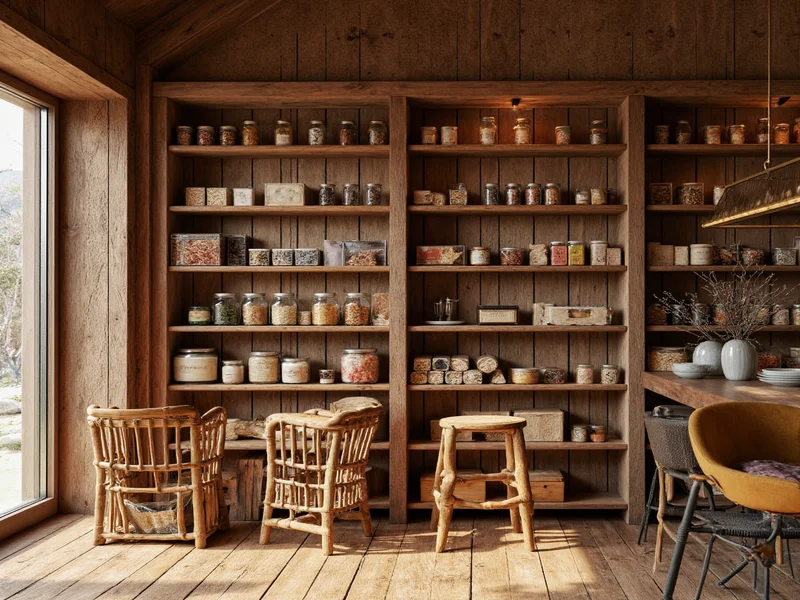
- Producer Ownership: At least 70% of products must come from artisans leasing space within the barn—no resold wholesale items
- Transparent Sourcing: Every product displays farm location, production date, and creator's story
- Zero-Waste Operations: Reusable container programs and compostable packaging are standard
How to Identify a Genuine Craft Food Barn (vs. Imposters)
With "craft" becoming a marketing buzzword, discerning real operations from commercial copycats is crucial. Use this verification checklist before visiting:
| Authentic Indicator | Red Flag |
|---|---|
| Producers physically present 3+ days/week | Staffed solely by non-creator employees |
| Batch numbers traceable to specific farms | Vague "local" claims without farm names |
| Seasonal product rotation matching harvest cycles | Identical inventory year-round |
Finding & Supporting Real Craft Food Barns
These community hubs thrive through conscious consumerism. Here's how to engage meaningfully:
Practical Engagement Strategies
For Shoppers
- Ask "What did you harvest this week?"—authentic vendors will share current crop stories
- Join "maker hours" (typically Tuesday mornings) when producers restock and demo techniques
- Bring containers for refills—most barns discount 10% for zero-waste shopping
For Aspiring Barn Creators
- Start with "pop-up barns" using existing community spaces before leasing
- Require 51% revenue share from vendors to ensure operational sustainability
- Partner with agricultural extension programs for food safety certifications
The Hidden Economic Impact You're Supporting
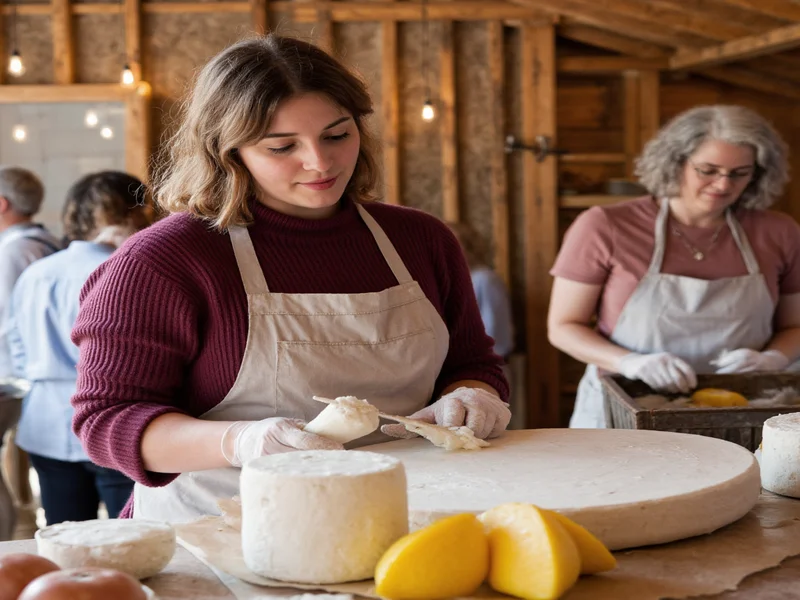
When you buy a $12 jar of preserves at a craft food barn, $8.50 goes directly to the producer—triple the typical grocery store margin. But the real transformation happens in rural economies:
- Job Multiplier Effect: Each barn creates 3.2 secondary jobs (delivery drivers, equipment maintainers, etc.)
- Land Preservation: 89% of barn-associated farms use regenerative practices to qualify for vendor spots
- Youth Retention: Communities with craft barns see 22% fewer young adults relocating for work
Building Your Own Micro Craft Food Barn
You don't need a full barn to start. Urban and suburban creators are adapting the model through:
Backyard Barn Starter Kit
- Convert a 10x12ft shed into temperature-controlled storage ($1,200 DIY)
- Recruit 3-5 local producers via community kitchen networks
- Implement "honor system" sales with QR code payments
- Host monthly "taste & tell" events to build community
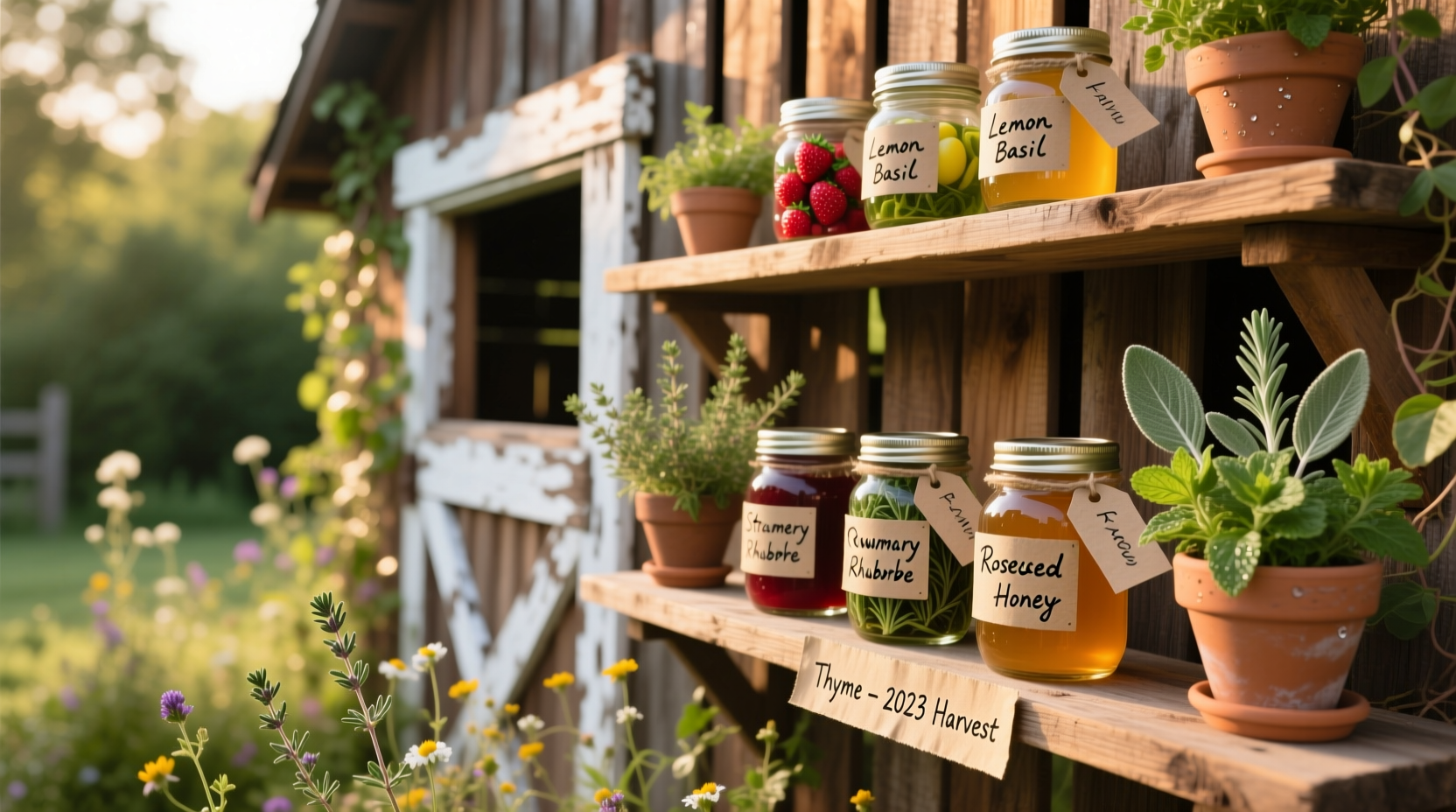
Pro Tip: Start with shelf-stable items (jams, dried herbs) before adding refrigerated products.
Future Trends Reshaping Craft Food Barns
Forward-thinking barns are evolving beyond retail into community hubs:
- "Adopt-a-Row" Programs: Shoppers fund specific crop plantings for future harvest shares
- Apprentice Tracks: Paid 6-month programs teaching food craftsmanship to at-risk youth
- Mobile Barn Units: Converted trailers bringing products to food deserts
These innovations address the core challenge craft food barns solve: restoring the broken connection between people and their food sources. As one Vermont barn owner told me, "We're not selling jam—we're selling the story of the wild blueberries my granddaughter picked at dawn."
Frequently Asked Questions
What defines a true craft food barn versus a regular farm store?
Authentic craft food barns require 70%+ of products to be made by vendors leasing space onsite, with full transparency about ingredients and production methods. Regular farm stores often resell wholesale goods without creator involvement.
How do craft food barns ensure food safety standards?
Reputable barns require all vendors to have county health department certifications. Many provide shared commercial kitchens with licensed facilities, and conduct random third-party lab tests on high-risk products like fermented items.
Can I start a craft food barn without agricultural land?
Absolutely. Urban "micro barns" operate in converted warehouses using rooftop gardens or partnerships with nearby farms. The key is creating physical space for producers to interact directly with customers, regardless of location.
Why are craft food barn products often more expensive?
Pricing reflects true production costs: fair wages for artisans, sustainable farming practices, and minimal processing. When you pay $8 for honey, $5.50 supports the beekeeper's livelihood versus $1.50 in industrial systems where middlemen take most profits.
Do craft food barns accept SNAP/EBT benefits?
68% of established barns accept SNAP, often through state grant programs that double benefits for fresh produce. Check barn websites for "Double Bucks" program participation—this supports both food access and local producers.





 浙公网安备
33010002000092号
浙公网安备
33010002000092号 浙B2-20120091-4