

A craft cocktail is a meticulously prepared drink using premium ingredients, precise techniques, and creative innovation—distinct from mass-produced bar drinks. This guide delivers actionable techniques, essential tools, and 5 signature recipes you can make tonight with accessible ingredients.
What Truly Defines a Craft Cocktail?
Forget generic mixed drinks. Craft cocktails represent a philosophy: intentional creation over convenience. They prioritize three non-negotiable elements:
Ingredient Integrity
- Fresh-squeezed juices (never bottled)
- House-made syrups and bitters
- Small-batch spirits with transparent sourcing
- Seasonal, locally foraged botanicals
Technical Precision
- Exact measurements (grams > dashes)
- Temperature-controlled dilution
- Proper ice density and shape selection
- Layered flavor development techniques
Creative Storytelling
- Historical inspiration with modern twists
- Regional ingredient narratives
- Multi-sensory presentation (aroma, texture, visual)
- Zero-waste ingredient utilization

Essential Toolkit for Home Craft Cocktailing
You don't need a professional bar. Start with these foundational tools that maximize impact:
| Tool | Why It Matters | Home Hack |
|---|---|---|
| Japanese jigger | Ensures precise 15ml/30ml measurements | Use medicine cup with metric markings |
| Hawthorne strainer | Filters muddled ingredients smoothly | Cheesecloth-lined fine mesh strainer |
| Channel knife | Creates aromatic citrus oils without pith | Vegetable peeler + citrus zester |
| Large format ice cube | Slower dilution preserves flavor integrity | Freeze water in silicone molds |
Mastering the Craft Cocktail Process: A Step-by-Step Framework
Follow this professional workflow to transform your home bar:
- Balance Assessment: Identify the drink's structural role (spirit-forward, sour, aromatic)
- Ingredient Layering: Add components in order of density (heaviest first)
- Dilution Control: Shake/stir until drink reaches -2°C (critical for mouthfeel)
- Temperature Verification: Use infrared thermometer on glass exterior
- Final Aromatic Activation: Express citrus oils over drink surface
5 Signature Craft Cocktails for Home Mastery
These recipes demonstrate core craft principles using accessible ingredients. All serve 1.
Modern Gibson
Reimagining a classic with zero-waste innovation
- 45ml London dry gin (small-batch preferred)
- 15ml dry vermouth (homemade: 1 cup vermouth + 2 bruised garlic cloves)
- 15ml pickling liquid from fermented shallots
- Garnish: Dehydrated shallot slice
Method: Stir 45 seconds. Strain over large ice cube. Express shallot oil.
Herbal Boulevardier Variation
Botanical depth without overpowering bitterness
- 30ml bourbon (wheated recipe)
- 30ml Campari infused with rosemary
- 30ml sweet vermouth with orange zest
- Garnish: Smoked rosemary sprig
Method: Stir 60 seconds. Serve up in chilled coupe.
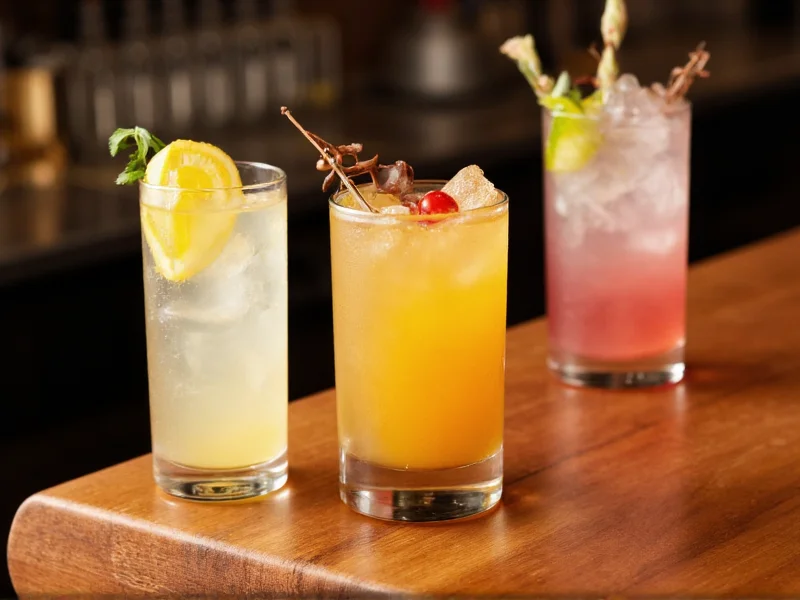
Citrus-Forward Daiquiri
Highlighting seasonal fruit integrity
- 50ml aged rum (Jamaican pot still)
- 25ml fresh key lime juice
- 15ml cane syrup with kaffir lime leaf
- Garnish: Lime wheel with activated charcoal rim
Method: Dry shake (no ice) 15 seconds. Wet shake 10 seconds. Double strain.
Avoiding Common Craft Cocktail Pitfalls
Even experienced home mixologists stumble here:
- Overcomplicating recipes: Start with 3-4 core ingredients. Complexity emerges from technique, not quantity.
- Ignoring ingredient temperature: Room-temperature citrus creates off-flavors. Always chill juices.
- Misjudging dilution: Under-diluted drinks taste harsh; over-diluted ones lose balance. Time your shaking/stirring.
- Skipping the taste test: Adjust sweetness/acidity after dilution—never before.
Building Your Craft Cocktail Knowledge
Move beyond recipes with these foundational resources:
- Historical context: Read Imbibe! by David Wondrich to understand technique evolution
- Sensory training: Practice identifying base notes in spirits using aroma kits
- Seasonal sourcing: Visit farmers' markets to discover hyperlocal ingredients
- Waste reduction: Learn cordial-making from fruit peels and pulp
Frequently Asked Questions
What's the difference between craft cocktails and regular cocktails?
Craft cocktails prioritize ingredient provenance, precise technique, and creative storytelling—using fresh-squeezed juices, house-made components, and intentional preparation. Regular cocktails often rely on pre-made mixes, approximate measurements, and speed over craftsmanship.
Can I make craft cocktails without expensive tools?
Absolutely. Start with a jigger (medicine cup works), shaker (mason jar), strainer (cheesecloth), and channel knife (vegetable peeler). Focus on technique refinement before investing in specialized equipment. Quality ingredients matter more than tools.
How do I balance flavors in craft cocktails?
Use the 3:2:1 ratio as your foundation—3 parts spirit, 2 parts sour, 1 part sweet. Adjust based on spirit intensity and ingredient freshness. Always taste after dilution, as water changes flavor perception. Keep a tasting journal to track adjustments.
Why is ice quality crucial in craft cocktails?
Ice density controls dilution rate. Dense, clear ice melts slower, preserving flavor integrity. Cloudy ice contains impurities that accelerate melting and introduce off-flavors. For home use, boil water twice before freezing to remove minerals and gases.





 浙公网安备
33010002000092号
浙公网安备
33010002000092号 浙B2-20120091-4