

Discover what sets a true craft ale house apart from ordinary bars and why these establishments are becoming essential destinations for beer enthusiasts. Whether you're planning your first visit or looking to deepen your appreciation, this guide reveals the defining characteristics, what to expect, and how to identify authentic craft ale experiences that support local brewing communities.
What Makes a Craft Ale House Unique
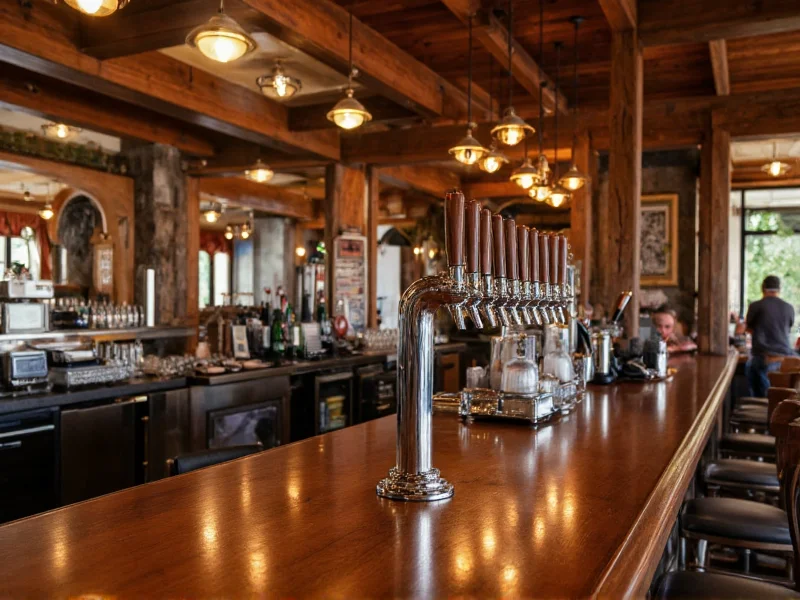
Unlike standard bars that may offer a token craft option alongside mainstream beers, a genuine craft ale house centers its entire identity around artisanal brewing. These establishments typically feature:
- 15-30 rotating taps showcasing regional and national independent breweries
- Knowledgeable staff who can discuss brewing processes and ingredient sourcing
- Thoughtful food pairings designed to complement specific beer profiles
- Direct relationships with brewers, often featuring taproom-only releases
- Educational events like meet-the-brewer nights and tasting workshops
The Craft Ale House Experience: What to Expect
Walking into a quality craft ale house feels different from entering a conventional bar. The atmosphere balances professionalism with approachability, creating spaces where both novices and connoisseurs feel welcome. Key elements include:
Tap List Transparency
Reputable craft ale houses provide complete information about each beer: brewery location, ABV, hop varieties, malt bill, and tasting notes. You won't find generic listings like "hoppy IPA" without specifics.
Responsible Serving Practices
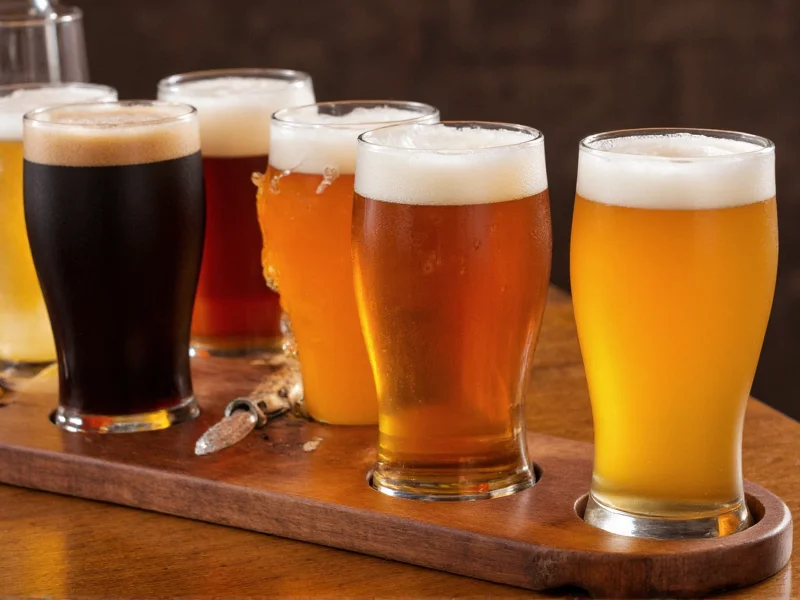
Many establishments offer 4-6 oz tasting pours alongside standard servings, allowing customers to sample multiple options without overconsumption. Staff will often suggest appropriate glassware for each style.
Community Focus
These venues frequently host local events, support charity fundraisers, and create spaces for homebrewing clubs to meet, strengthening regional craft beer culture.
Craft Ale House vs. Other Beer Establishments
| Establishment Type | Beer Selection Focus | Staff Knowledge | Relationship with Brewers |
|---|---|---|---|
| Craft Ale House | Exclusively independent craft breweries | Extensive training on ingredients and processes | Direct partnerships, often featuring exclusive releases |
| Brewery Taproom | Primarily house brewery's offerings | Deep knowledge of their own products | N/A (they are the brewery) |
| Traditional Sports Bar | Mix of macrobrews and 1-2 craft options | Limited beer-specific knowledge | Rarely direct relationships |
Identifying Authentic Craft Ale Houses
With craft beer's popularity surge, some establishments market themselves as "craft" without meeting the community's standards. Look for these authenticating factors:
- Local brewery representation: At least 70% of taps should feature independent breweries, with regional options comprising the majority
- Rotating selection: Frequent tap changes (weekly or bi-weekly) showing engagement with current brewing trends
- Ingredient transparency: Willingness to discuss water profiles, yeast strains, and hop varieties used
- No contract brewing: Avoids establishments that serve "craft" beers actually produced by large conglomerates
- Support for small producers: Features nano-breweries and emerging brands alongside established names
Maximizing Your Craft Ale House Visit
Approach your visit with these practical strategies to enhance your experience:
Before You Go
- Check the venue's social media for current tap lists and special events
- Review brewery information if unfamiliar with their offerings
- Consider visiting during off-peak hours for more staff attention
When You Arrive
- Ask about the brewer's inspiration behind seasonal offerings
- Request tasting flights to explore different styles
- Inquire about food pairings designed specifically for current taps
Supporting the Ecosystem
Your choices matter. Prioritize venues that:
- Pay fair prices to small breweries (avoiding predatory contracts)
- Feature women-owned and minority-owned breweries
- Implement sustainable practices like keg recycling programs
- Host educational events about brewing science and history
Frequently Asked Questions
How is a craft ale house different from a brewery taproom?
A craft ale house specializes in curating selections from multiple independent breweries without producing their own beer, while a brewery taproom primarily serves the brewery's own products. Craft ale houses function as retail destinations showcasing diverse brewing styles, whereas taprooms focus on their specific brewing operation.
What should I ask staff to gauge a craft ale house's authenticity?
Ask which local breweries they've featured in the past month, how they select their taps, and if they've hosted any brewers recently. Authentic establishments will provide specific names, selection criteria based on quality rather than contracts, and details about recent collaborations or events.
Do craft ale houses typically offer food pairings?
Most quality craft ale houses develop intentional food pairings that complement their current beer selections. These range from dedicated menus with beer-pairing suggestions to kitchen staff trained in matching flavors. The best establishments consider factors like carbonation level, bitterness, and malt sweetness when creating pairings.
How often should taps rotate at a genuine craft ale house?
Authentic craft ale houses typically rotate 30-50% of their taps monthly, with some changing selections weekly. Frequent rotation demonstrates active engagement with the brewing community and access to limited releases. Establishments with static tap lists for months likely aren't deeply connected to the craft ecosystem.





 浙公网安备
33010002000092号
浙公网安备
33010002000092号 浙B2-20120091-4