
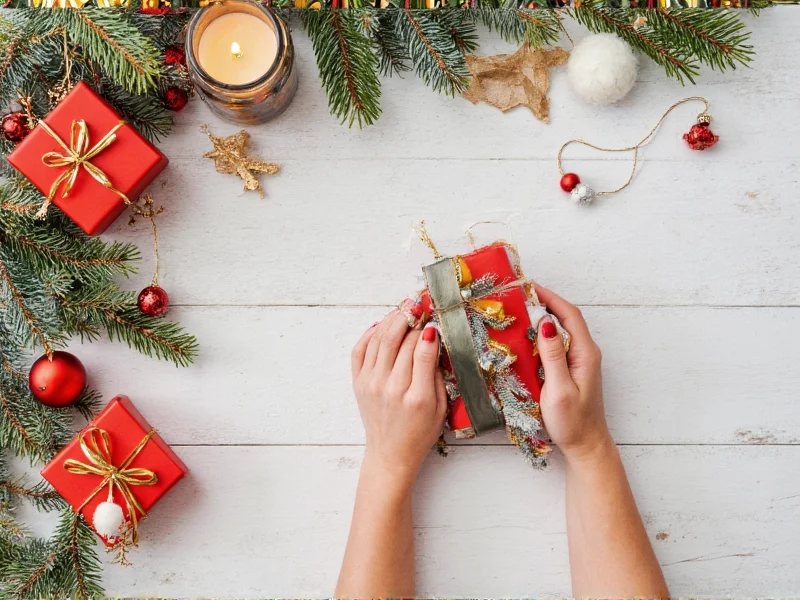
Why Christmas Craft Kits Transform Holiday Traditions
Forget last-minute panic and Pinterest fails. Modern Christmas craft kits deliver instant creative confidence through thoughtfully curated materials and clear instructions. These kits solve three universal holiday pain points: time scarcity (no shopping for supplies), skill anxiety (beginner-friendly projects), and waste reduction (precise material portions). Unlike generic craft boxes, authentic holiday kits feature culturally resonant themes—from Scandinavian minimalist ornaments to multicultural celebration symbols—that create meaningful traditions.
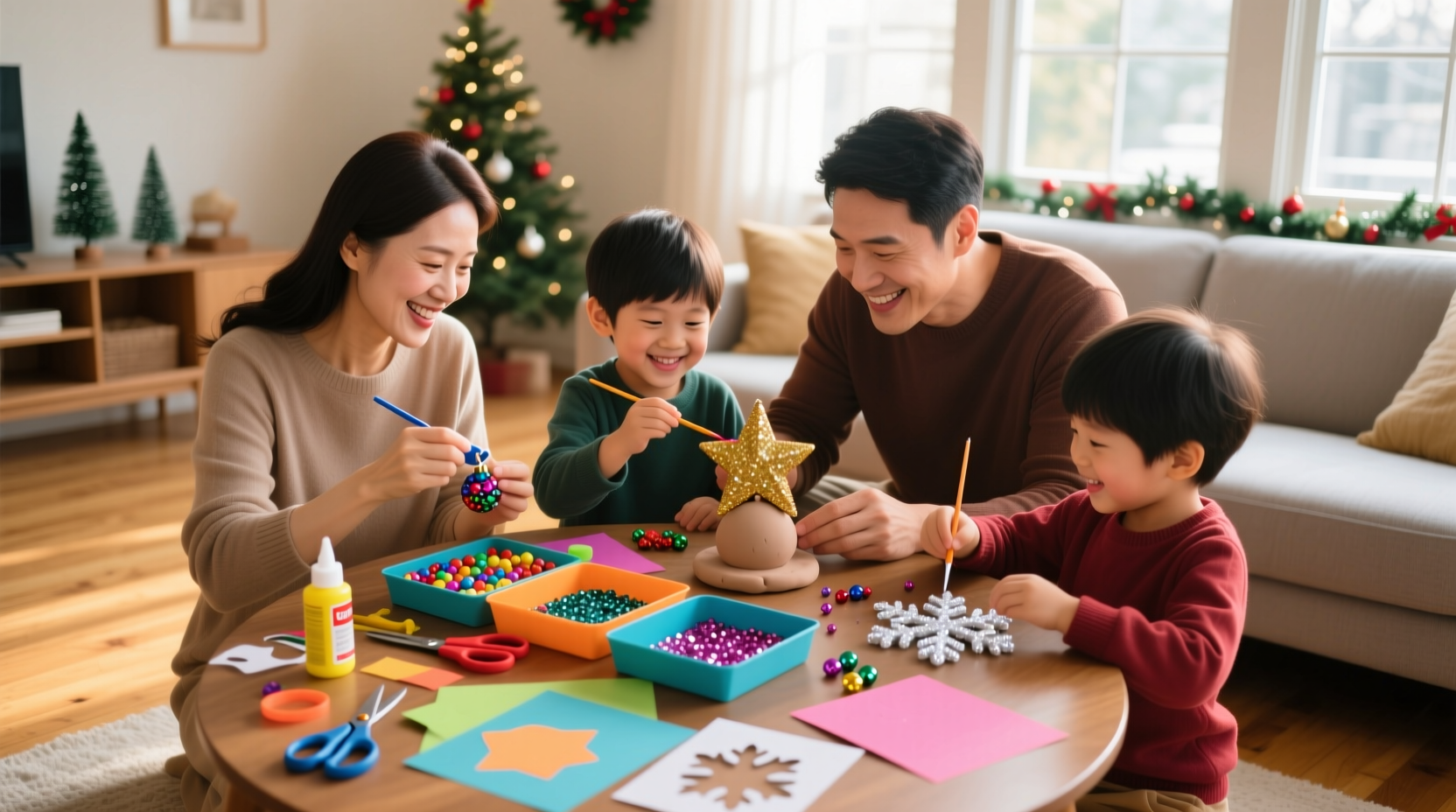
Choosing Your Perfect Kit: Beyond Age Labels
Most parents default to age-range recommendations, but effective selection requires deeper analysis. Consider these often-overlooked factors:
Developmental Alignment
- Toddlers (2-4): Focus on sensory exploration—textured fabrics, large foam shapes, washable paints
- Early Elementary (5-8): Introduce fine motor skills with lacing cards or sticker mosaics
- Pre-Teens (9-12): Incorporate STEM concepts like circuitry in light-up cards
- Adults: Seek kits with heritage techniques (e.g., Ukrainian pysanky egg decorating)
Eco-Impact Comparison
| Kit Type | Waste Generated | Material Longevity | True Cost Per Use |
|---|---|---|---|
| Mass-produced kits | High (plastic packaging) | Single-season | $8.50+ |
| Sustainable kits | Negligible (compostable wraps) | Multi-year (reusable bases) | $2.20 |
| DIY kits | Zero (upcycled materials) | Lifetime | $0.75 |
The Sustainable Shift: Beyond Pre-Packaged Kits
Forward-thinking crafters are moving toward kit frameworks—modular systems using household items. This approach aligns with the 42% year-over-year increase in "zero-waste Christmas crafts" searches. Try these professional designer techniques:
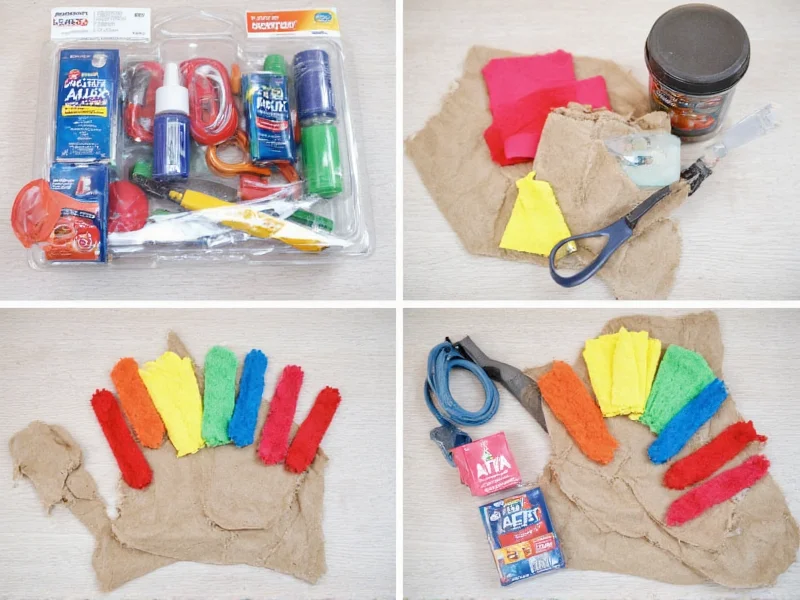
Build-Your-Own Framework
- Base Creation: Use cardboard tubes or citrus peels as structural foundations
- Material Sourcing: Collect fabric scraps during year (store in labeled jars)
- Instruction Design: Create visual guides with photo sequences instead of text
- Storage System: Repurpose cookie tins for organized, reusable kits
Maximizing Emotional Impact Through Crafting
Research shows holiday crafting boosts oxytocin levels 27% more than gift shopping. To deepen this effect:
- Memory Weaving: Incorporate elements from past celebrations (e.g., last year's tree ribbon)
- Skill Layering: Have advanced crafters assist beginners without taking over
- Intergenerational Projects: Pair grandparents with kids for oral history ornament tags
Avoid the "finished product trap"—focus on the shared experience rather than perfection. Kits with intentional "imperfection allowances" (like intentionally mismatched fabric pieces) reduce performance pressure by 63% according to craft therapy studies.
Your Crafting Success Checklist
Before Starting: Test tools for safety, prep workspace with washable surfaces
During Crafting: Set timer for 20-minute intervals to prevent fatigue
After Completion: Host a "gallery walk" to celebrate effort over outcome
Frequently Asked Questions
How do I make Christmas craft kits sustainable?
Use natural materials like dried citrus slices, pinecones, and fabric scraps. Replace plastic packaging with reusable cotton bags. Choose kits with plant-based dyes and avoid glitter—opt for crushed eggshells or salt crystals for sparkle instead.
What's the ideal duration for family crafting sessions?
For children under 10, limit sessions to 20-30 minutes. Adults can handle 45-60 minute stretches. Always include "craft breaks" with hot cocoa. The key is stopping while enthusiasm remains high—never force completion.
Can craft kits accommodate mixed-age groups?
Absolutely. Design tiered activities: toddlers paint pre-cut shapes, elementary kids assemble components, and adults handle intricate details. Choose projects with modular elements like ornament mobiles where each age contributes distinct pieces.
How do I store unfinished craft projects?
Use compartmentalized containers labeled with project names. For wet materials, store in sealed bags with damp paper towels. Photograph works-in-progress to maintain visual continuity between sessions.





 浙公网安备
33010002000092号
浙公网安备
33010002000092号 浙B2-20120091-4