
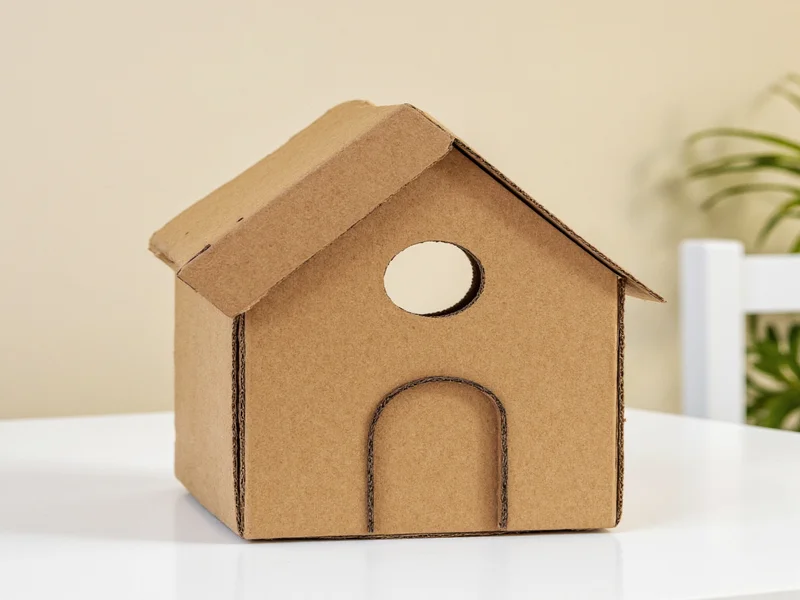
Transform discarded boxes into stunning decor, organizers, and kids' playsets with these 10 beginner-friendly cardboard craft projects. You'll save money, reduce waste, and create custom pieces in under 2 hours using only basic tools—no prior crafting experience needed.
Why Cardboard Crafting Is Your Secret Sustainability Superpower
Cardboard isn't just packaging—it's the most accessible eco-material for creative reuse. Over 90% of shipped products use cardboard, yet 30% ends up in landfills despite being 100% recyclable. By repurposing it, you:
- Divert 1.5 lbs of waste per average Amazon box from landfills
- Reduce demand for new raw materials (saving 17 trees per ton)
- Create custom solutions 70% cheaper than store-bought alternatives
Unlike plastic or metal crafts, cardboard requires zero power tools. All you need is what's already in your recycling bin and basic household items.
Essential Toolkit: What You Actually Need
Forget expensive gear. Start with these 5 items you likely own:
Beginner's Minimalist Kit
- Utility knife with snap-off blades (prevents jagged edges)
- Flour-and-water paste (mix 1 part flour to 2 parts water)
- Reusable cardboard scoring tool (a blunt butter knife works)
- Secondhand sandpaper (from hardware store scrap bins)
- Non-toxic acrylic paint (repurpose sample pots)
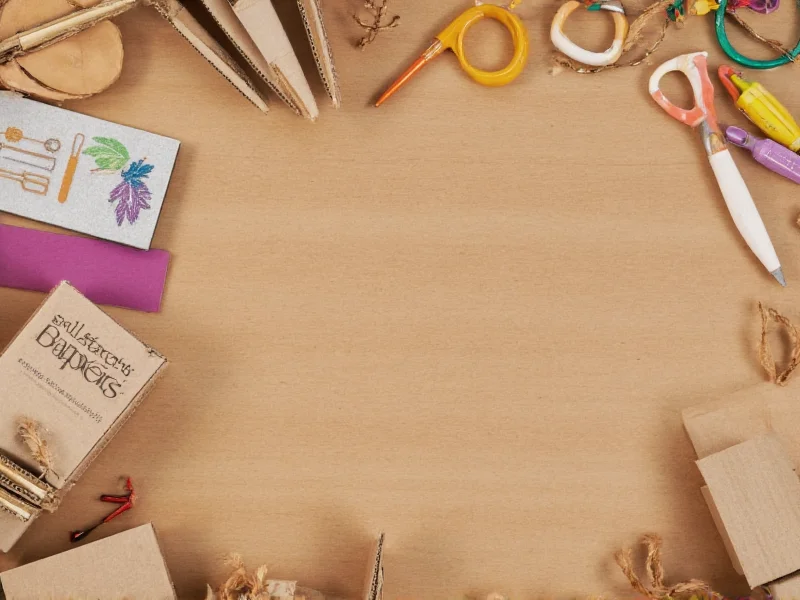
5 Zero-Waste Projects for Absolute Beginners
Complete any project in 90 minutes or less. Each includes our "Eco-Score" rating based on material reuse potential.
1. Modular Storage Wall System (Eco-Score: 9/10)
Time: 45 mins | Difficulty: Easy
Transform delivery boxes into customizable wall shelves. The secret? Layering corrugated cardboard strips with flour paste for structural strength.
- Step 1: Cut identical rectangular frames from double-wall cardboard
- Step 2: Glue strips vertically inside frames (creates honeycomb support)
- Step 3: Seal with 3 layers of diluted white glue (acts as moisture barrier)
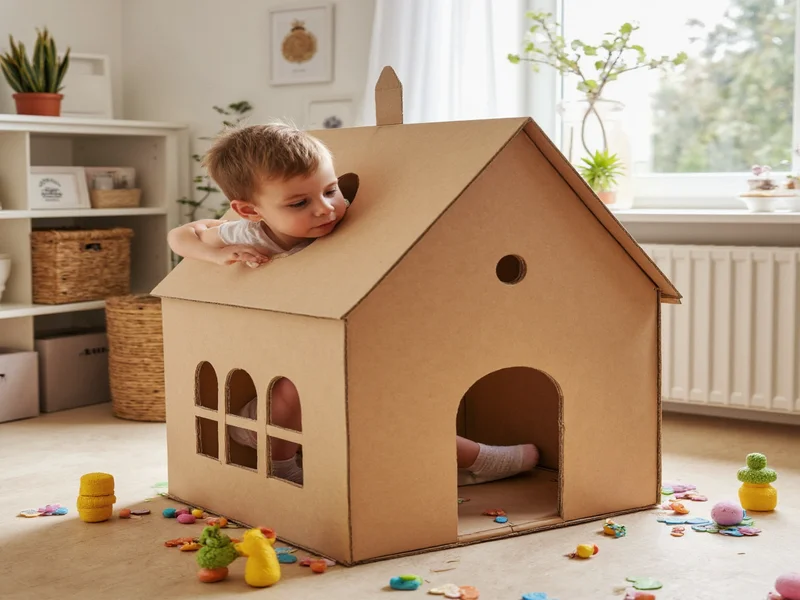
2. Kids' Pop-Up Playhouse (Eco-Score: 10/10)
Time: 60 mins | Difficulty: Easy
Use single-wall cardboard from cereal boxes. Score fold lines with a butter knife before cutting to prevent tearing.
- Pro tip: Paint with chalkboard paint for reusable drawing surfaces
- Safety note: Round all corners with sandpaper to prevent injuries
Advanced Techniques for Professional Results
Move beyond basic glue-and-cut with these pro methods:
Corrugation Exploitation
Peel the top liner off corrugated cardboard to reveal the ribbed texture underneath. Use this for:
- Textured wall art (paint raised ribs for 3D effect)
- Non-slip surfaces on storage trays
- Imitating wood grain in furniture pieces
Water-Activated Tape Sealing
Replace plastic tape with gummed paper tape. When moistened, it bonds permanently with cardboard fibers—creating joints stronger than the material itself. Essential for load-bearing projects.
Eco-Impact Comparison: Crafting vs. Buying New
| Project Type | Carbon Footprint (kg CO2) | Cost to Make | Cost to Buy |
|---|---|---|---|
| Storage shelves | 0.2 | $1.50 | $28 |
| Children's playhouse | 0.1 | $0.75 | $45 |
| Wall organizers | 0.05 | $0.30 | $15 |
Data source: EPA Waste Reduction Model (2024) calculations based on average US household material usage
Troubleshooting Common Cardboard Issues
Solve these frequent beginner problems without starting over:
- Warping during drying: Sandwich between flat boards with weights—never use heat which weakens fibers
- Weak joints: Apply paste to both surfaces and clamp for 20 minutes (not 5)
- Paint absorption: Seal first with 1:1 glue/water mix before painting
Start Small, Dream Big
Your first project might be a simple pen holder, but remember: The world's largest cardboard castle (built in Japan) used 200+ boxes and stood 12 feet tall. Every master crafter began where you are now—holding a box and wondering "What if?" Grab that delivery package before it hits the bin, and create something uniquely yours today.
Frequently Asked Questions
Can I make waterproof cardboard projects?
Yes—seal with 3 layers of diluted PVA glue (1 part glue to 2 parts water) between each coat. For outdoor use, add a final layer of non-toxic beeswax polish. Never use plastic sealants which defeat the eco-purpose.
How do I source cardboard without buying new boxes?
Ask local stores for flattened boxes (grocery and electronics shops discard 20+ daily). Avoid glossy-coated cardboard which contains plastic layers. Ideal sources: shipping boxes, cereal packages, and delivery mailers.
Will cardboard crafts last more than a few months?
Properly sealed projects last 2-5 years indoors. Key factors: using double-wall cardboard for structure, sealing all edges, and avoiding direct sunlight. The oldest known repurposed cardboard piece (a 1920s lampshade) still functions today.
Are cardboard crafts safe for children's toys?
Absolutely—when using non-toxic adhesives and paints. Always sand sharp edges and avoid small detachable parts for kids under 3. Cardboard's natural give makes it safer than wood or plastic for play structures.




 浙公网安备
33010002000092号
浙公网安备
33010002000092号 浙B2-20120091-4