
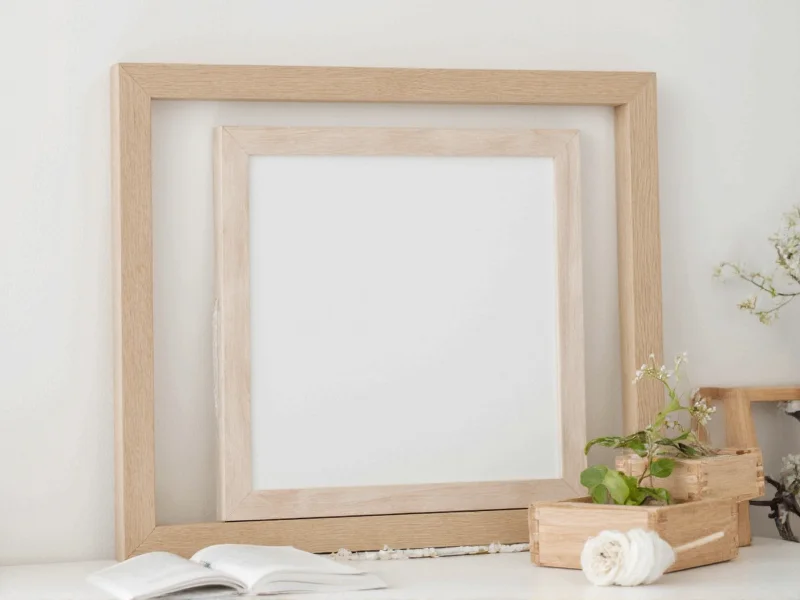
Build a custom canvas frame for under $15 in 90 minutes using reclaimed wood—no staples required. This guide shows you exactly how to measure, cut, and assemble professional-looking frames that protect your artwork while saving 70% compared to store-bought options.
Why Frame Your Canvas Art Yourself?
Store-bought canvas frames cost $50-$200 but often use flimsy materials and generic designs. By building your own canvas diy frame, you gain three critical advantages:
Cost Savings Breakdown
| Frame Type | Material Cost | Time Required |
|---|---|---|
| Store-bought | $45-$180 | 0 minutes |
| DIY reclaimed wood | $8-$15 | 1.5 hours |
Based on 24"x36" canvas framing. Reclaimed wood costs 60-80% less than new lumber.
Essential Materials & Tools
You'll need basic workshop items most DIYers already own. Focus on sustainable framing materials to reduce waste:
- Reclaimed wood (1x2 or 1x3 pine): 8-10 ft total. Check construction sites or Facebook Marketplace
- 45° miter saw (or hand saw with miter box)
- Wood glue and 1" brad nails
- Sandpaper (120 and 220 grit)
- Canvas stretcher keys (included with most canvases)

Step-by-Step Frame Construction
Follow this canvas diy frame tutorial for gap-free corners and warp-proof results. Critical: Measure twice, cut once!
Step 1: Precision Measurement
Measure your canvas depth (front to back) and add 1/4". For a standard 1.5" deep canvas:
- Top/Bottom pieces: Canvas width + (2 x wood thickness)
- Sides: Canvas height + (2 x wood thickness)
Step 2: Cutting & Mitering
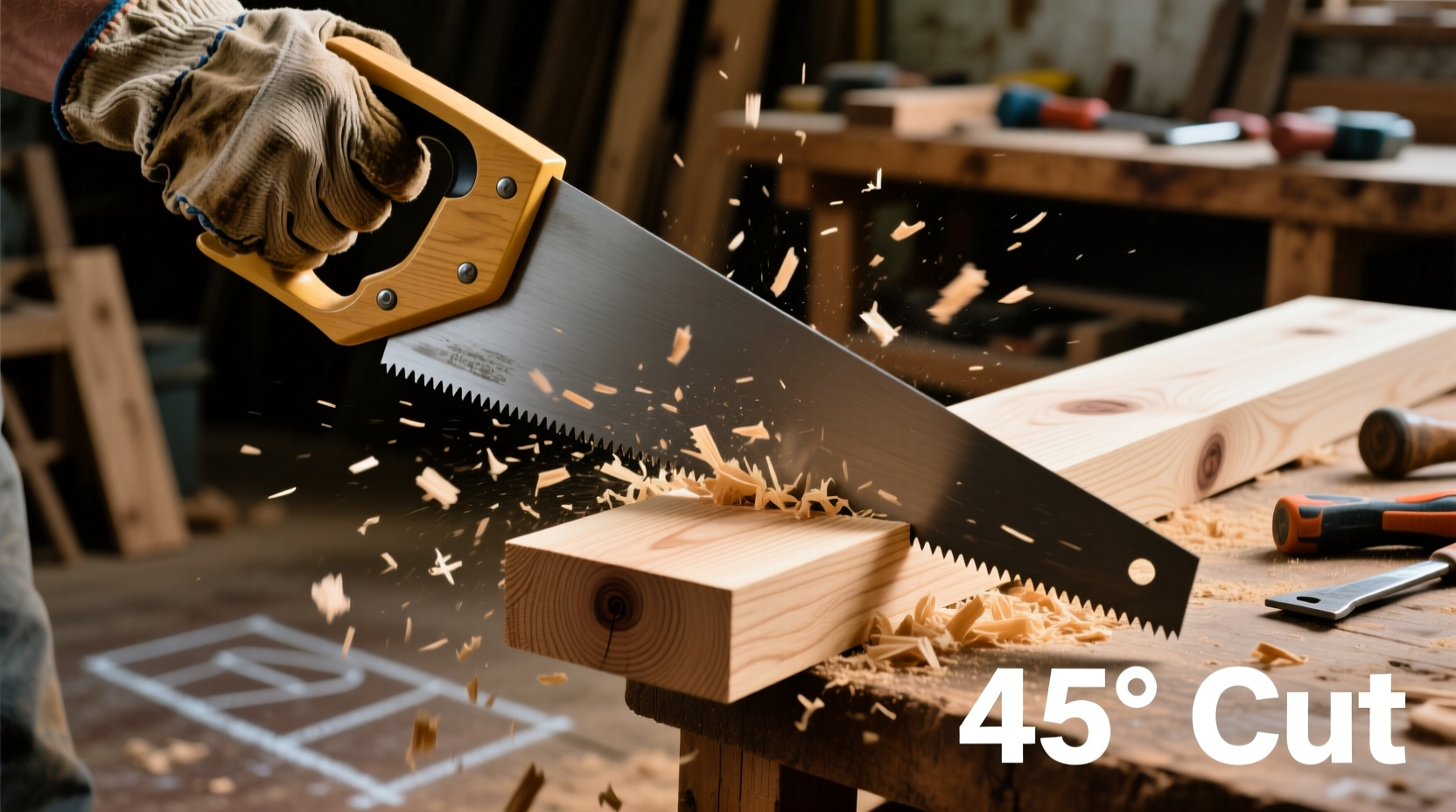
Set saw to 45° angle. Cut all four pieces with these critical adjustments:
- Mark "inside" face on every board
- Cut top/bottom pieces 1/32" longer than calculated
- Cut side pieces to exact length
Step 3: Dry Assembly & Adjustment
Before gluing:
- Lay pieces face-down on flat surface
- Check for gaps using business card as shim
- Sand high spots on miter joints until flush
- Disassemble and wipe sawdust
Step 4: Permanent Assembly
Apply wood glue to miters, clamp for 20 minutes, then reinforce with brad nails. Pro tip: Place nails 3/4" from corners to avoid splitting reclaimed wood.
Avoid These 3 Costly Mistakes
Common Pitfalls in DIY Canvas Framing
- Mistake: Using warped wood
Solution: Roll boards on flat surface before cutting - Mistake: Ignoring canvas expansion
Solution: Leave 1/16" gap between frame and canvas edges - Mistake: Skipping sanding
Solution: Sand before AND after assembly for smooth finish
Finishing Techniques for Gallery-Worthy Results
Transform basic frames with these professional canvas framing techniques:
- Natural look: Rub with 0000 steel wool + mineral oil
- Painted finish: Use chalk paint for better adhesion on reclaimed wood
- Distressed style: Lightly sand edges after painting
Troubleshooting Guide
Fix issues before mounting your artwork:
| Problem | Quick Fix |
|---|---|
| Small corner gap | Fill with wood glue + sawdust paste |
| Frame too tight | Insert canvas stretcher keys before framing |
| Wood splintering | Apply wood hardener before sanding |
Why Reclaimed Wood Beats New Lumber
Most DIYers don't realize reclaimed wood has structural advantages for canvas diy frame projects:
- Lower moisture content = less warping
- Denser grain from aged growth
- Unique character that hides minor imperfections
Source from deconstructed pallets (avoid heat-treated wood stamped "HT") or old furniture.
FAQ: Canvas DIY Frame Questions
Can I frame a canvas without removing it from existing stretcher bars?
Yes—measure the canvas depth including stretcher bars. Build your frame to sit flush against the canvas edges without compressing the artwork. Never nail directly into stretcher bars.
How do I prevent wood movement in humid climates?
Apply two coats of water-based polyurethane to all surfaces before assembly. This seals the wood while allowing natural expansion. Leave 1/16" gap between frame and canvas to accommodate seasonal changes.
What's the minimum wood thickness for large canvases?
For canvases over 24"x36", use 1x3 lumber (actual 3/4"x2-1/4"). Thinner wood may warp under tension. Always reinforce corners with wood glue and at least two brad nails per joint for stability.
Can I use this method for gallery-wrapped canvases?
Absolutely—this is ideal for gallery wraps. Measure from the outer edge of the canvas to the back of the stretcher bar. The frame should sit flush against the canvas sides without covering any painted surface.




 浙公网安备
33010002000092号
浙公网安备
33010002000092号 浙B2-20120091-4