
Block craft block refers to a sustainable approach to creating functional art and decor using repurposed wooden blocks. This technique transforms discarded or unused blocks into unique home items while reducing waste. Mastering block craft block requires understanding material selection, joining techniques, and design principles that balance aesthetics with structural integrity.
Why Block Craft Block Matters Now More Than Ever
In today's world of mass production, block craft block offers a refreshing alternative that combines environmental responsibility with personal expression. Unlike disposable decor, handcrafted block creations develop character over time while keeping materials out of landfills. The growing popularity of this craft stems from its accessibility—anyone can start with basic tools and reclaimed wood scraps.
Understanding Block Craft Fundamentals
Block craft block isn't just stacking wood pieces—it's a thoughtful process that considers grain direction, moisture content, and structural stability. The magic happens when you view each block not as a single unit, but as part of a cohesive system where every piece contributes to the whole.
| Block Type | Best For | Workability | Sustainability Score |
|---|---|---|---|
| Reclaimed pallet wood | Wall art, shelves | ★★★☆☆ | ★★★★★ |
| Construction scraps | Small decor items | ★★★★☆ | ★★★★☆ |
| Discarded furniture parts | Statement pieces | ★★★☆☆ | ★★★★★ |
| Newly milled wood | Precision projects | ★★★★★ | ★★☆☆☆ |
Essential Techniques Every Block Crafter Should Master
Joining Methods That Last
- Dovetail joints—create interlocking patterns that resist pulling apart
- Mortise and tenon—traditional method for strong right-angle connections
- Wood glue + clamp technique—simplest approach for beginners
- Dowel reinforcement—adds hidden strength to basic glue joints

Transforming Waste into Wonder: Three Starter Projects
1. Modular Wall Shelves
Using mismatched blocks from discarded furniture, create floating shelves that tell a story through their varied wood tones. The key is establishing consistent depth while celebrating each block's unique character.
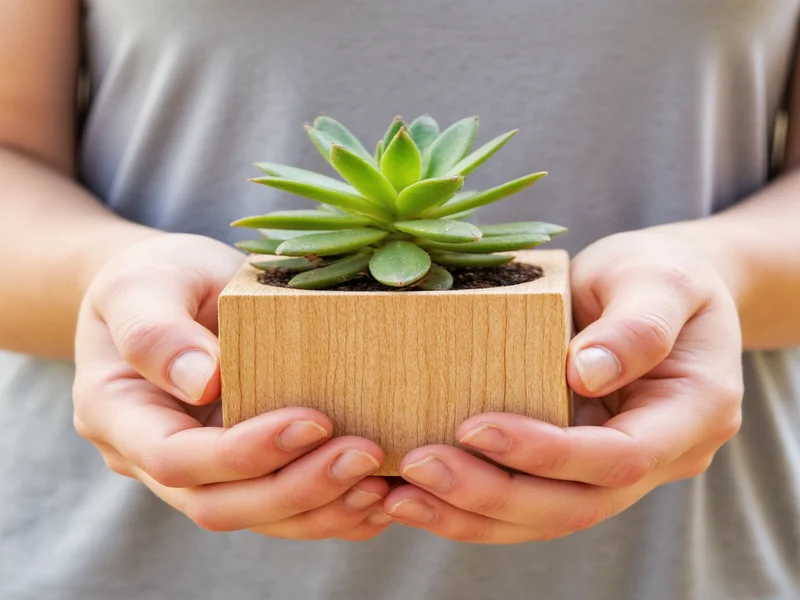
2. Block Stack Planters
Drill drainage holes in solid blocks, then stack them with hidden steel rods for stability. The natural wood texture creates beautiful contrast with greenery while providing excellent root aeration.
3. Geometric Coasters
Cut small blocks into uniform sizes, arrange in patterns, then glue and clamp. Sand smooth and finish with food-safe oil. These make perfect gifts that showcase the beauty of imperfect wood.
Avoiding Common Block Craft Mistakes
Many beginners rush the drying process, leading to cracks as moisture escapes. Always allow reclaimed wood to acclimate for two weeks in your workspace before crafting. Another frequent error is using inappropriate finishes—tung oil penetrates deeper than varnish, preserving the wood's natural movement while protecting it.
Sustainable Sourcing Strategies
Develop relationships with local furniture makers who often have offcuts perfect for block crafting. Construction sites sometimes give away scraps that would otherwise go to landfill. When selecting materials, prioritize wood that's already been milled rather than cutting new pieces—this reduces your environmental impact while adding history to your creations.
Advanced Design Principles
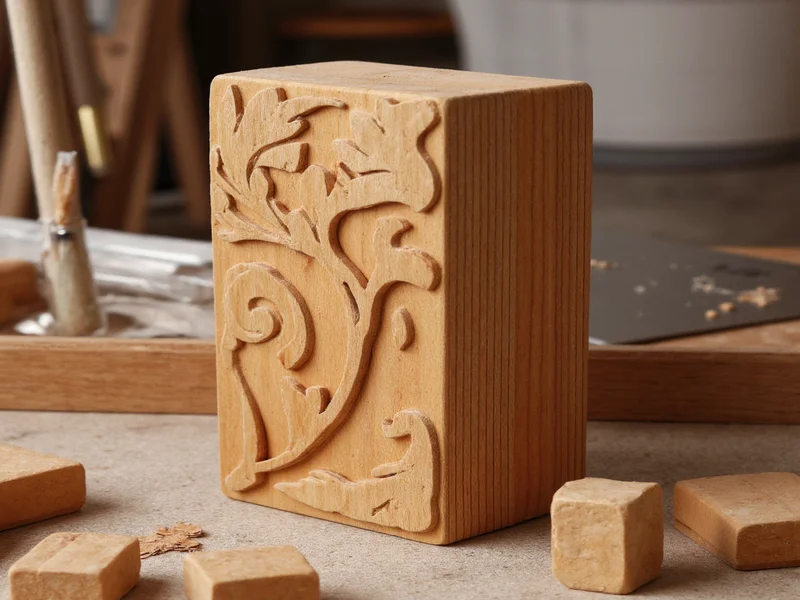
Master block crafters understand that negative space is as important as the blocks themselves. Consider how light interacts with your arrangement—strategic gaps create visual interest while reducing material needs. The most compelling pieces often follow the golden ratio in their proportions, creating naturally pleasing compositions that feel balanced without being symmetrical.
Making Block Craft Your Own
Don't feel constrained by traditional approaches. Some innovative crafters embed resin channels between blocks for dramatic effect, while others combine wood with metal accents for industrial flair. The beauty of block craft block lies in its adaptability—your unique perspective becomes part of the material's new story.
Frequently Asked Questions
What's the best adhesive for joining wooden blocks in craft projects?
Polyurethane glue creates the strongest bond for block craft projects as it expands to fill gaps and remains flexible as wood moves with humidity changes. For food-safe items like cutting boards, use FDA-approved woodworking glue specifically designed for kitchen applications.
How do I prevent cracks when working with reclaimed wood blocks?
Allow reclaimed wood to acclimate in your workspace for 2-3 weeks before crafting. Seal end grains with wax or shellac to slow moisture loss, and avoid creating tension points by respecting natural grain direction when joining pieces. For larger projects, incorporate expansion gaps that let wood move naturally.
Can I create structurally sound furniture using only block craft techniques?
Yes, but structural integrity requires proper engineering. Use triangular supports, distribute weight across multiple connection points, and reinforce critical joints with hidden dowels or steel rods. Always test load capacity gradually and never exceed the natural strength limits of your wood type—hardwoods like oak handle more stress than softwoods like pine.




 浙公网安备
33010002000092号
浙公网安备
33010002000092号 浙B2-20120091-4