
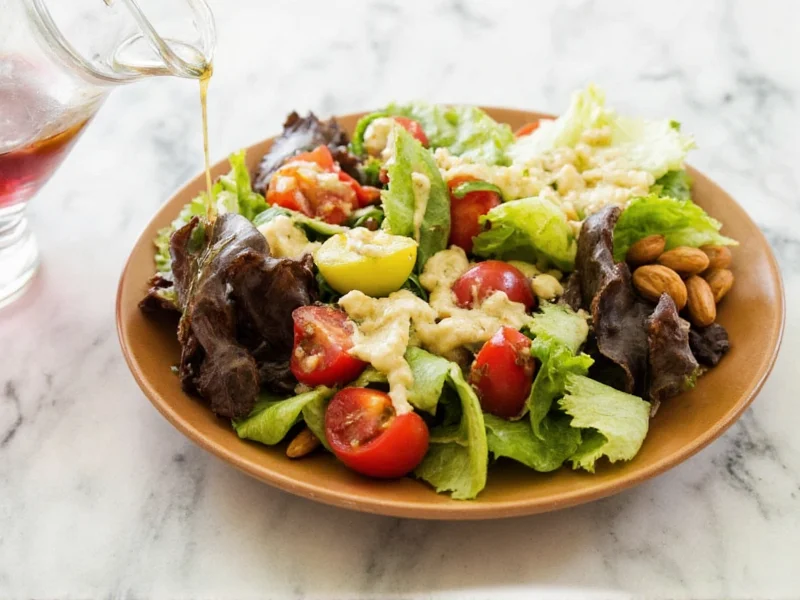
Why Homemade Balsamic Dressing Wins Every Time
Forget $6 store-bought bottles filled with thickeners and sweeteners. Crafting your own balsamic vinaigrette unlocks three game-changing advantages:
- Pure flavor control: Adjust sweetness and acidity to match your palate—no more one-size-fits-all compromises
- Cost efficiency: A batch costs under $0.50 versus $3-$8 for commercial dressings
- Health transparency: Zero hidden sugars, gums, or artificial preservatives
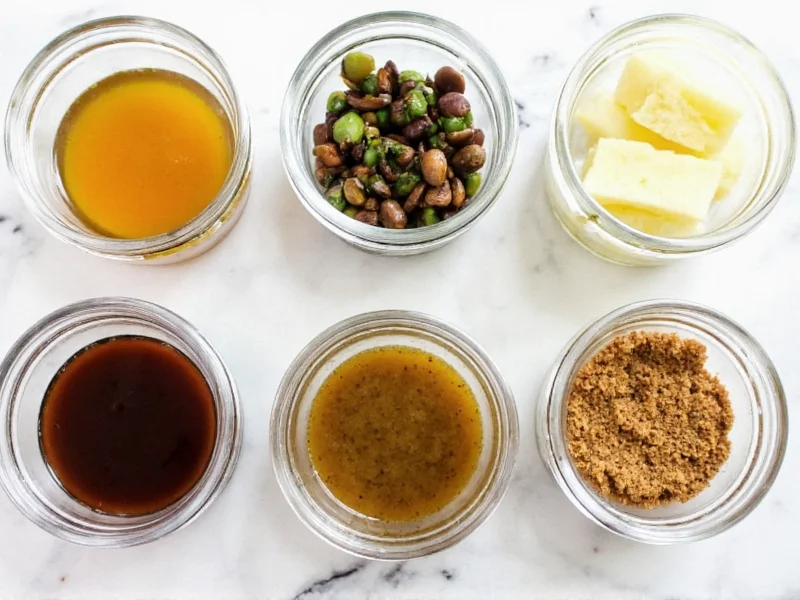
The Essential Ingredient Framework
Master these four components—the holy quartet of perfect vinaigrette:
| Ingredient | Why It Matters | Pro Tip |
|---|---|---|
| Aged balsamic vinegar (8-12yr) | Natural sweetness without added sugar | Avoid "balsamic glaze" – too thick for dressings |
| Extra virgin olive oil | Creates stable emulsion and smooth mouthfeel | Use mild-fruity oils, not robust peppery types |
| Dijon mustard | Natural emulsifier preventing separation | Never skip – doubles as flavor enhancer |
| Fresh garlic | Complex depth without raw bite | Microplane for invisible integration |
5-Minute Classic Balsamic Vinaigrette Recipe
This chef-tested ratio delivers perfect balance. Yields 1 cup (enough for 8 salads):
Core Ingredients
- ⅓ cup aged balsamic vinegar (8-12 year)
- ⅔ cup extra virgin olive oil
- 1½ tsp Dijon mustard
- 1 small garlic clove, microplaned
- ¼ tsp sea salt
- Freshly cracked black pepper

The Emulsion Technique That Changes Everything
- Combine vinegar, mustard, garlic, salt and pepper in jar
- Whisk vigorously 30 seconds – crucial for mustard activation
- Slowly drizzle in olive oil while whisking constantly
- Shake jar 20 seconds for foolproof emulsion
- Taste and adjust: Add 1 tsp water if too thick
Pro insight: The mustard's pectin creates microscopic barriers between oil and vinegar molecules. Skipping the initial vigorous whisking leaves you with separated dressing every time.
Troubleshooting Common Issues
| Problem | Solution |
|---|---|
| Dressing separates immediately | Mustard wasn't properly activated – whisk vinegar mixture 30 sec before adding oil |
| Too acidic | Add 1 tsp water + 10 sec shake – dilutes without altering flavor balance |
| Too sweet | Balanced with pinch of salt and 1 tsp lemon juice |
4 Creative Flavor Variations
Transform your base dressing for different applications:
Maple-Balsamic (Roasted Veggies)
Replace 1 tbsp vinegar with pure maple syrup + 1 tsp apple cider vinegar
Herb-Infused (Caprese Salad)
Add 2 tbsp finely minced basil + 1 tsp lemon zest
Garlic-Parmesan (Caesar-Style)
Mix in 2 tbsp grated parm + 1 tsp anchovy paste
Fig & Thyme (Fruit Salads)
Stir 1 tbsp fig jam + 1 tsp fresh thyme leaves
Storage & Shelf Life Guide
Maximize freshness with these science-backed methods:
- Refrigeration: Store in airtight jar 7-10 days (oil solidifies but returns to liquid at room temp)
- Room temperature: Keeps 3 days in cool pantry (shake before use)
- Freezing: Portion in ice cube trays – lasts 3 months (thaw overnight)
Critical note: Never add fresh herbs or garlic to frozen batches – they develop off-flavors. Add these after thawing.
Frequently Asked Questions
Can I substitute red wine vinegar for balsamic?
Yes, but add 1 tsp honey to compensate for missing sweetness. Use equal parts vinegar to oil for proper balance.
Why does my dressing taste metallic?
This indicates low-quality balsamic made in unlined steel vats. Always choose dressings labeled "aceto balsamico tradizionale" with DOP certification.
How do I fix broken emulsion?
Place 1 tsp water in clean bowl, then slowly whisk in separated dressing drop by drop like making mayonnaise.
Is aged balsamic worth the extra cost?
Absolutely. 12-year aged vinegar has natural caramelization from wood barrels, eliminating need for added sugars in dressings.





 浙公网安备
33010002000092号
浙公网安备
33010002000092号 浙B2-20120091-4