
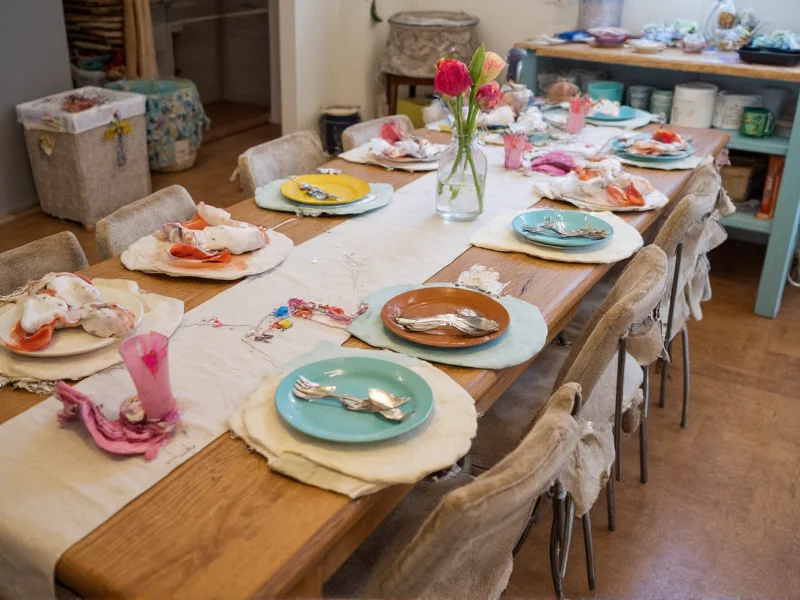
An arts and crafts table is a specialized workspace designed specifically for creative projects, featuring durable surfaces, ample storage, and ergonomic considerations that standard furniture lacks. The right table can increase your crafting efficiency by 40% while protecting both your materials and your physical health during extended creative sessions.
Why Standard Tables Fail Crafters (And What to Look For Instead)
Most people start crafting on kitchen tables or desks, not realizing these surfaces damage both their work and their workflow. Standard furniture typically lacks the durability, storage, and specialized features that transform a simple table into a true creative command center.
Essential Features of a Professional-Grade Craft Table
| Feature | Why It Matters | Craft Type Best Suited |
|---|---|---|
| Water-resistant surface | Prevents warping from paint, glue, and cleaning solutions | Painting, resin work, papercraft |
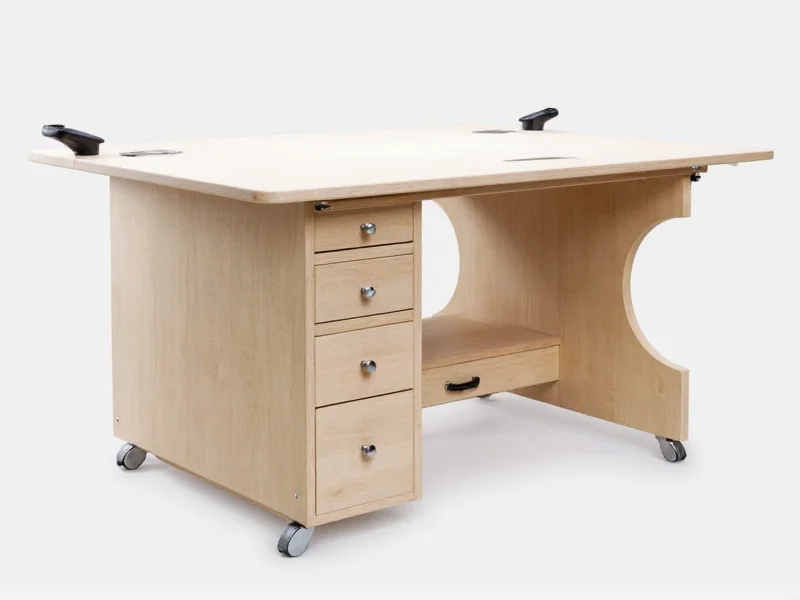
| Adjustable height | Reduces back strain during extended sessions | All crafts, especially detailed work |
| Integrated storage | Keeps tools within reach without cluttering workspace | Sewing, jewelry making, scrapbooking |
| Rolling base | Enables easy repositioning and storage in small spaces | Apartment crafters, multi-purpose rooms |
Craft-Specific Table Requirements
Your ideal arts and crafts table varies dramatically based on your primary medium. Understanding these differences prevents costly mistakes when selecting or building your workspace.
Painting and Drawing Stations
- Surface texture: Smooth laminate or tempered glass for easy cleanup
- Height requirement: 32-36 inches to accommodate standing work
- Critical feature: Easel attachment points for vertical work
- Budget tip: Convert a standard table with a tempered glass top ($45-75)
Sewing and Textile Workspaces
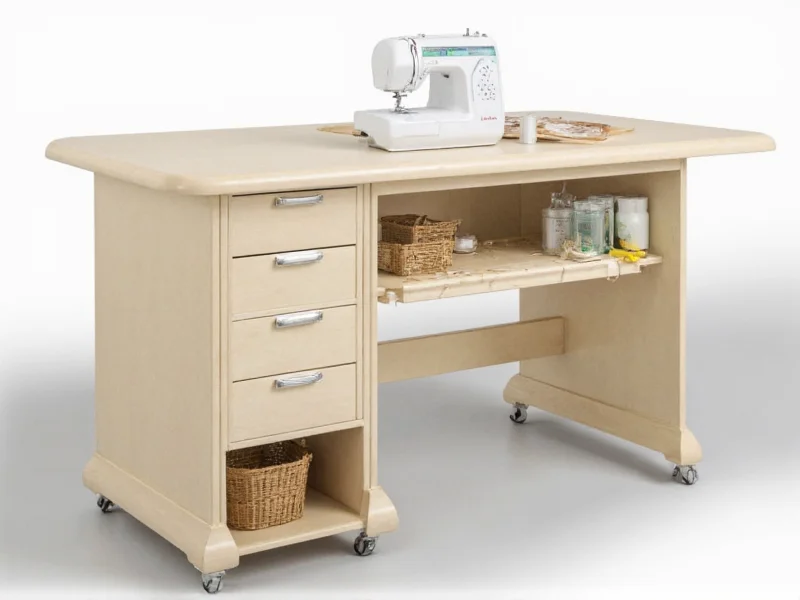
Sewing demands precise spatial organization that standard craft tables often miss. The machine well depth must accommodate your specific model while leaving room for fabric movement.
Woodworking and 3D Craft Stations
These require the most robust construction. Look for:
- Minimum 1.5-inch thick surface to withstand clamping pressure
- Integrated vise points every 12 inches
- Heavy-duty casters (250+ lb capacity per wheel)
- Under-table storage for power tools
DIY vs. Purchased: Making the Right Investment
When evaluating whether to build or buy your arts and crafts table, consider these often-overlooked factors:
The True Cost Analysis
While DIY options seem cheaper initially, factor in:
- Time investment (average 15-25 hours for quality build)
- Tool requirements you may not own
- Material waste from mistakes
- Long-term durability compared to commercial options
For most crafters, a mid-range purchased table delivers better value unless you already own woodworking tools.
Space-Saving Solutions for Small Studios
Living in a small space doesn't mean sacrificing your creative workflow. These innovative approaches maximize limited square footage:
- Fold-down designs: Mount to wall with heavy-duty brackets for instant workspace
- Table-top converters: Transform existing furniture with removable craft surfaces
- Vertical storage: Install wall grids above table for tools and materials
- Mobile bases: Add casters to any table for flexible room configuration
Maintenance Secrets for Long-Lasting Performance
Proper care extends your table's life by years. Follow this seasonal maintenance routine:
Quarterly Craft Table Maintenance
- Remove all hardware and clean surface with appropriate solution (mineral spirits for paint residue, mild soap for general cleaning)
- Inspect for structural weaknesses, especially at joints and attachment points
- Reapply protective finish to wooden surfaces
- Lubricate moving parts (casters, height adjustment mechanisms)
- Reorganize storage to match current project needs
Future-Proofing Your Creative Workspace
The best arts and crafts tables grow with your skills. Build in these adaptable features:
- Modular storage systems that expand as your tool collection grows
- Electrical outlets built into legs for easy access to power
- Surface that accepts magnetic accessories for flexible organization
- Height range covering both seated and standing positions
When selecting or building your table, prioritize features that support your next level of crafting rather than just your current needs. This forward-thinking approach prevents the frustration of outgrowing your workspace.
Frequently Asked Questions
What's the ideal height for a multi-purpose craft table?
The optimal height ranges from 28-30 inches for seated work and 36-38 inches for standing. An adjustable table between 24-42 inches accommodates both positions and various craft types, reducing physical strain during extended sessions.
How can I protect my craft table surface from permanent damage?
Use a layered protection system: start with a permanent base layer (like tempered glass or laminate), add removable cutting mats for precision work, and keep a roll of craft paper for messy projects. This approach preserves your investment while providing appropriate surfaces for different materials.
Are specialized craft tables worth the investment for beginners?
Beginners benefit most from adaptable tables rather than highly specialized ones. Start with a basic adjustable-height table with modest storage, then add specialized features as your craft evolves. This prevents overspending on features you won't immediately use while establishing good workspace habits from the start.
What's the most common mistake people make when setting up a craft table?
Positioning the table too far from power sources and natural light. Always measure your space considering electrical outlets and window placement first, then position your table to maximize both. Poor lighting causes eye strain, while extension cords create tripping hazards and workspace clutter.




 浙公网安备
33010002000092号
浙公网安备
33010002000092号 浙B2-20120091-4