
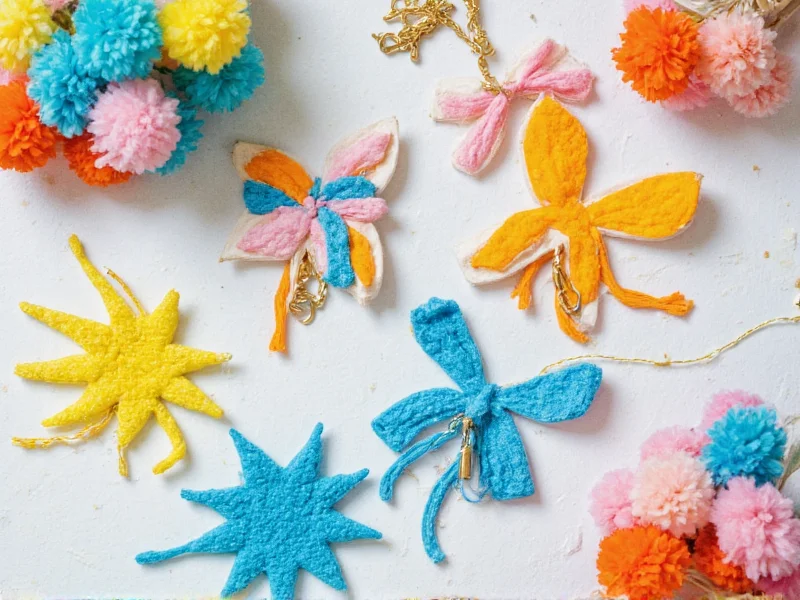
Why Summer Crafting Boosts Child Development
Summer arts and crafts aren't just fun—they're developmental powerhouses. Research shows children who engage in regular craft activities during summer months maintain 30% stronger fine motor skills and show improved problem-solving abilities compared to peers. Unlike commercial kits, nature-based and recycled material crafts foster environmental awareness while keeping costs minimal. The key is choosing projects with tangible outcomes that children can display or use, creating lasting pride in their creations.
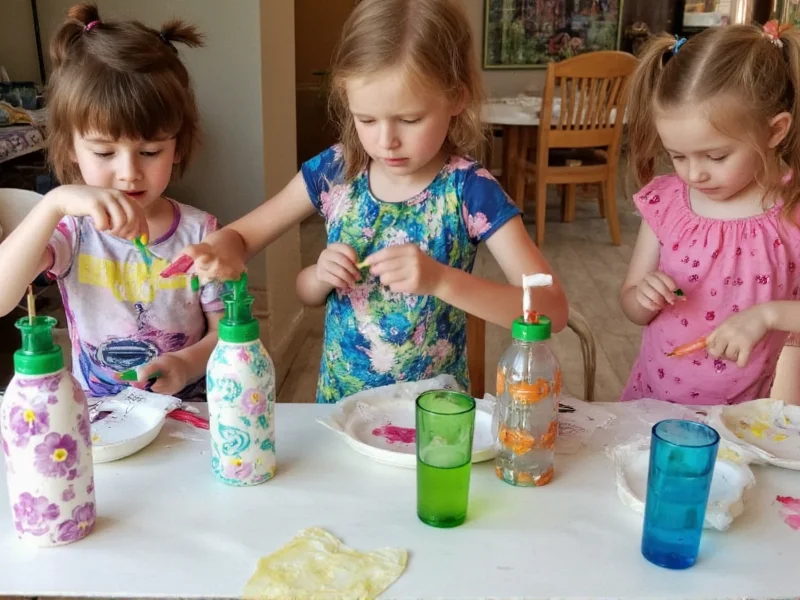
Top 5 Beach-Themed Crafts Using Found Objects
Transform beachcombing treasures into meaningful art. These projects require zero purchased materials—just creativity and a bucket for your next seaside adventure.
Seashell Wind Chimes
- Materials: Driftwood branch, collected shells, fishing line, sea glass
- Time: 25 minutes
- Age: 5+ (adult supervision for drilling)
- Pro Tip: Use vinegar to clean shells without damaging natural colors
Tide Pool Terrariums
- Materials: Glass jar, sand, small shells, blue-tinted water
- Time: 15 minutes
- Age: 3-7
- Pro Tip: Add LED tea lights for magical nighttime displays
Eco-Friendly Material Comparison
| Material | Collection Source | Prep Time | Best For |
|---|---|---|---|
| Plastic bottles | Recycling bin | 5 min (rinse/cut) | Planters, bird feeders |
| Cardboard tubes | Toilet paper rolls | 2 min (flatten) | Binoculars, stampers |
| Washed fabric scraps | Old clothing | 10 min (cut) | Collage, weaving |
Nature's Palette: Sun-Printed Art Projects
Cyanotype printing harnesses solar energy for stunning botanical art—no toxic chemicals required. This zero-waste summer craft teaches light physics while creating heirloom-quality pieces.

- Soak cotton fabric in non-toxic sun-print solution (available at craft stores)
- Arrange pressed flowers or leaves on damp fabric
- Place under direct sun for 8-12 minutes
- Rinse in water to reveal permanent blue prints
Developmental bonus: Children learn about photosynthesis as they observe how leaf density affects print darkness. Completed pieces make beautiful wall hangings or tote bags.
Mess-Management Strategies for Hot Weather
Summer crafting requires smart setup to avoid meltdowns (yours and theirs!). Implement these proven heat-friendly techniques:
- Outdoor stations: Set up folding tables on shaded patios with clip-on task lights for cloudy days
- Temperature control: Store glue sticks in cooler; use cornstarch-based paste that won't spoil
- Quick cleanup: Line workspaces with recycled newspaper—becomes instant fire starter later
- Material rotation: Introduce one new texture daily (sand, water beads, fabric) to maintain novelty
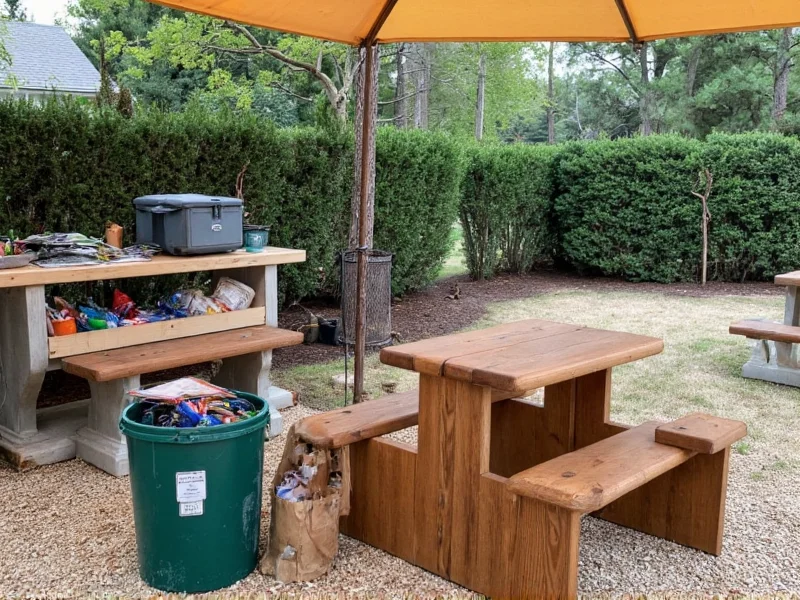
Transforming "Bored" into "Create!"
When children claim "I'm bored," reframe it as creative fuel. Our tested approach:
The 5-Minute Inspiration Challenge
"Grab 3 natural items from outside and 2 recycled materials from home. You have 5 minutes to combine them into something new!" This low-pressure summer craft starter builds rapid ideation skills while using zero purchased supplies.
Document results in a "Summer Creation Journal"—children draw their process and rate what worked. Review weekly to identify emerging interests (sculpture, weaving, etc.) for deeper exploration.
Frequently Asked Questions
What are the safest non-toxic materials for summer crafts with toddlers?
Use edible bases like cornstarch paste, whipped soap for sculpting, and beet juice for dyeing. Avoid small parts for under-3s—opt for large fabric scraps and chunky crayons. Always pre-test materials on a small skin patch for reactions.
How can I store summer craft projects without damaging them?
For 3D creations: Store in clear plastic bins with silica gel packets. For flat art: Sandwich between wax paper and cardboard, secured with rubber bands. Never use plastic bags—they trap moisture in summer humidity.
What quick summer crafts work for short attention spans?
Try "craft snacks": 10-minute projects like decorating popsicle sticks for plant markers or making friendship bracelets with pre-cut yarn. The key is immediate visible results—children complete something tangible within one sitting.
How do I incorporate learning into summer arts and crafts?
Weave in STEAM concepts: Measure materials for geometry practice, discuss color mixing science, or research cultural patterns during textile crafts. Ask open-ended questions like "What would happen if we changed this material?" to spark critical thinking.





 浙公网安备
33010002000092号
浙公网安备
33010002000092号 浙B2-20120091-4